

Availability: In Stock
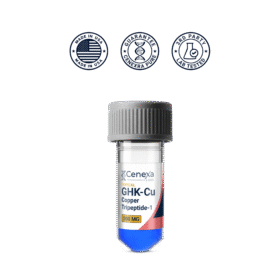
GHK-Cu Topical
$194.99
GHK-Cu (topical) is a copper-binding tripeptide studied for gene modulation effects on tissue regeneration, skin biology, and wound healing models.
 Earn $9 Cenexa Bucks when you buy this product!
Availability: In Stock
A portion of every order supports organizations focused on children’s cancer research & care. Help us make a difference.
 Buy More & Save!
Add selected quantity to cart above & discount is automatically applied.
| Quantity | Discount % | Price Per Item |
|---|---|---|
| 3-6 | 4 | $187.19 |
| 7-9 | 7 | $181.34 |
| 10-50 | 9 | $177.44 |
Quick Links
GHK-Cu Topical Powder
The Gene-Modulating Tissue Regeneration Peptide
Also known as: Copper Peptide GHK-Cu, Copper Tripeptide-1, GHK-Copper Complex
Topical Peptide Powder: GHK-Cu is supplied as a sterile, lyophilized powder designed for incorporation into topical research formulations. This allows researchers to create customized concentrations and delivery systems for dermal penetration studies, skin biology research, and formulation development.
Why Researchers Choose GHK-Cu
GHK-Cu stands out in peptide research for its documented ability to modulate over 30% of human genes, including upregulating tissue repair genes and downregulating inflammatory pathways. While most peptides target single mechanisms or tissue types, GHK-Cu demonstrates widespread gene regulatory effects that researchers use to study fundamental aging processes, tissue regeneration across multiple organ systems, and the relationship between copper metabolism and cellular repair.
What It Is
GHK-Cu peptide is a naturally occurring tripeptide (Glycyl-L-Histidyl-L-Lysine) that binds copper ions with exceptionally high affinity. First isolated from human plasma in 1973, researchers discovered that this small peptide could make aged liver tissue behave like younger tissue—a finding that sparked decades of investigation into its regenerative properties.
The peptide naturally occurs in human plasma at approximately 200 ng/mL at age 20, but declines to about 80 ng/mL by age 60. This age-related decline coincides with decreased regenerative capacity, making it a valuable model for studying aging and tissue repair mechanisms. For topical research applications, the powder form allows researchers to study dermal penetration, formulation stability, and local tissue effects.
How It Works (What Makes It Interesting)
Research suggests GHK-Cu influences multiple cellular pathways through several mechanisms:
- Gene Expression Modulation – Affects expression of thousands of genes (31.2% of human genes at ≥50% change), upregulating genes associated with tissue repair and antioxidant defense while downregulating inflammatory and fibrotic genes
- Collagen and ECM Synthesis – Stimulates production of collagen types I and III, elastin, glycosaminoglycans, and decorin in fibroblasts through increased mRNA and protein expression
- Growth Factor Stimulation – Increases production of vascular endothelial growth factor (VEGF), brain-derived neurotrophic factor (BDNF), and bone morphogenetic protein 2 (BMP-2)
- Matrix Metalloproteinase Regulation – Modulates MMP-1 and MMP-2 expression along with tissue inhibitors (TIMP-1), helping balance tissue remodeling and degradation
- Antioxidant Activity – Blocks ferritin channels to prevent release of oxidative iron after tissue injury, reducing iron-catalyzed lipid peroxidation
- Copper Transport and Homeostasis – Acts as a cellular copper delivery and regulatory system, with the lysine residue potentially interacting with cellular receptors while the histidine-glycine region chelates copper
Common Research Applications
- Dermal and Skin Biology Research: Photoaging models, collagen synthesis studies, wound healing mechanisms, skin thickness and elasticity analysis, dermal penetration research, cosmetic formulation development
- Hair Follicle Biology: Androgenic alopecia models, hair transplant recovery studies, follicle stem cell activation, Wnt/β-catenin pathway research, growth factor expression in follicular units
- Wound Healing and Tissue Repair: Dermal wound models, burn recovery studies, surgical wound healing, tissue contraction mechanisms, inflammatory response modulation
- Gene Expression Research: Epigenetic modification studies, age-related gene expression changes, cancer suppressor gene research, inflammatory pathway analysis, tissue remodeling gene networks
- Copper Metabolism Studies: Copper-binding protein research, metal ion transport mechanisms, copper homeostasis in aging, neuroprotective copper regulation, amyloid-β copper interaction models
- Anti-Inflammatory Research: Cytokine modulation studies, COX-2/PGE2 pathway analysis, Nrf2 signaling research, oxidative stress models, chronic inflammation mechanisms
- Topical Delivery Systems: Liposomal encapsulation research, microemulsion formulation, nanocarrier development, transdermal penetration studies, sustained-release systems, enzymatic stability testing
What You’re Getting
Every batch of our GHK-Cu topical powder peptide meets rigorous research standards:
- Exceeds 99% Purity – Verified by HPLC analysis
- Certificate of Analysis (COA) – Included with every order, showing purity and identity confirmation
- Endotoxin-Free – Tested to ensure <1 EU/mg for cell culture applications
- Manufactured in USA – GMP-certified facilities with full traceability
- Sterile & Lyophilized – Stable for long-term storage, ready for incorporation into topical formulations
- Fast Shipping – Most orders ship same day. We offer flat rate shipping and 2-3 day delivery in the USA
Click the “Add To Cart” button to grab your GHK-Cu topical powder peptide today!
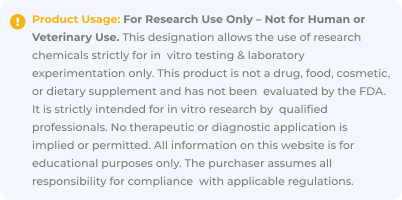
Research Use Only
This product is intended strictly for laboratory research purposes. Not for human consumption, clinical use, veterinary applications, or any diagnostic or therapeutic purposes.
GHK-Cu Research & Scientific Overview
Jump to: Structure | Mechanism | Studies | Pharmacokinetics | Protocols | Limitations | Lead Researcher | References
GHK-Cu Molecular Structure & Chemical Properties
GHK-Cu topical powder stands as one of the most extensively studied copper-peptide complexes in regenerative research, with over five decades of scientific investigation following its discovery in 1973. Originally isolated from human plasma albumin by Dr. Loren Pickart, this naturally occurring tripeptide-copper complex has demonstrated exceptional stability and diverse biological activities across multiple tissue systems. Unlike many peptide-metal complexes that readily dissociate in physiological conditions, GHK-Cu maintains its structural integrity through a unique copper-binding mechanism involving multiple coordination sites, creating a stable platform for copper delivery to cells without the toxicity associated with free ionic copper.
Chemical Structure
[IMAGE PLACEHOLDER] Insert 2D chemical structure image here Image URL: https://pubchem.ncbi.nlm.nih.gov/image/imgsrv.fcgi?cid=378611&t=l Alt text: GHK-Cu molecular structure diagram showing copper coordination Source credit: PubChem Position: Center-aligned below heading
2D molecular structure (Source: PubChem)
Technical Specifications
| Property | Value |
|---|---|
| CAS Number | 49557-75-7 |
| Molecular Formula | C14H24CuN6O4 (subscripted) |
| Molecular Weight | 403.9 g/mol |
| Amino Acid Sequence | Gly-His-Lys |
| Half-Life (Plasma) | <2 hours (estimated from limited studies) |
| Stability | Stable at physiological pH; copper coordination prevents oxidative damage |
| Solubility | Water soluble; enhanced copper bioavailability |
| Storage | Lyophilized: -20 degrees C; Reconstituted: 2-8 degrees C |
The peptide’s structure features square-planar copper coordination involving the histidine imidazole nitrogen, glycine alpha-amino nitrogen, and deprotonated amide nitrogen from the glycine-histidine peptide bond, with additional coordination from neighboring lysine carboxyl groups in solution.
GHK-Cu Mechanism of Action
GHK-Cu topical powder exerts its biological effects through multiple interconnected pathways that center around copper delivery and gene expression modulation. Research from the Broad Institute has revealed that GHK-Cu influences the expression of over 4,000 human genes, representing approximately 31% of the human genome, with effects that generally restore more youthful gene expression patterns. This extensive genomic influence distinguishes GHK-Cu from single-target peptides and provides a mechanistic explanation for its diverse biological activities.
Primary Cellular Pathways
Copper Transport and Cellular Delivery
GHK-Cu functions as a specialized copper transport system, facilitating the delivery of bioavailable copper to cells while preventing copper-induced oxidative damage. The peptide’s high binding affinity for copper (log K = 16.44) allows it to efficiently extract copper from albumin and other transport proteins¹. This mechanism enables:
- Enhanced copper bioavailability at sites requiring copper-dependent enzymes
- Prevention of free ionic copper accumulation and associated oxidative stress
- Targeted delivery to injury sites and metabolically active tissues
- Support for copper-dependent processes including collagen synthesis and angiogenesis
Gene Expression Modulation
Connectivity Map analysis has revealed that GHK-Cu significantly alters the expression of genes involved in multiple cellular processes². Key pathways affected include:
- Tissue remodeling genes – upregulation of collagen, elastin, and decorin expression
- Anti-inflammatory genes – suppression of pro-inflammatory cytokines including TNF-alpha
- DNA repair genes – enhanced expression of genes involved in genomic stability
- Antioxidant genes – increased expression of protective enzyme systems
Matrix Metalloproteinase Regulation
GHK-Cu demonstrates the unique ability to both stimulate and regulate matrix metalloproteinase (MMP) activity, promoting balanced tissue remodeling³. This dual action involves:
- Stimulation of MMP-2 expression for tissue repair and migration
- Increased TIMP-1 and TIMP-2 production to prevent excessive degradation
- Coordinated regulation preventing pathological tissue breakdown
- Enhancement of controlled extracellular matrix remodeling
SIRT1 Pathway Activation
Recent research has identified SIRT1 as a potential direct target of GHK-Cu, with molecular docking studies suggesting direct binding interactions⁴. This pathway activation contributes to:
- Enhanced cellular stress resistance and longevity signaling
- Improved metabolic regulation and mitochondrial function
- Anti-inflammatory effects through STAT3 pathway modulation
- Potential neuroprotective and cognitive benefits
Stem Cell Function Enhancement
GHK-Cu topical powder has been shown to enhance stem cell proliferation and differentiation, particularly in dermal fibroblasts and follicular stem cells⁵. Effects include:
- Increased stem cell growth factor production
- Enhanced cellular migration and wound healing responses
- Improved stem cell viability under stress conditions
- Support for tissue regeneration and repair processes
[CALLOUT BOX – Highlighted] Key Mechanistic Insight: GHK-Cu’s ability to modulate thousands of genes while delivering essential copper represents a unique “master regulator” approach to cellular health, distinguishing it from peptides with single-target mechanisms. However, the precise primary receptor or binding target responsible for gene modulation remains incompletely characterized. [END CALLOUT BOX]
GHK-Cu Topical Powder Research Applications & Key Findings
Dermatological Research
Skin Aging and Photodamage
Extensive clinical research has examined GHK-Cu’s effects on skin aging, with multiple controlled studies demonstrating significant improvements in aged skin⁶. Key findings include:
- Increased skin thickness by up to 20% in clinical trials (both epidermis and dermis)
- Improved collagen density with enhanced type I collagen production
- Reduced fine lines and wrinkles in 8-week controlled studies
- Enhanced skin elasticity and firmness measurements
- Improved skin clarity with reduction in age spots and hyperpigmentation
Comparative studies showed GHK-Cu outperformed vitamin C and retinoic acid in stimulating collagen production in photoaged skin, with effects sustained throughout treatment periods.
Wound Healing Research
Animal studies have consistently demonstrated accelerated wound healing with GHK-Cu treatment across multiple species⁷. Research findings include:
- 64.5% wound size reduction versus 28.2% in controls (rat ischemic wound model)
- Enhanced angiogenesis with increased blood vessel formation
- Improved wound contraction and tissue organization
- Reduced inflammatory markers including TNF-alpha suppression
- Systemic healing enhancement – treatment in one area improved healing at distant sites
Hair and Follicle Research
GHK-Cu has shown remarkable effects on hair follicle health and growth in multiple research models⁸. Studies demonstrate:
- Enlarged hair follicle size with increased thickness of hair shafts
- Enhanced follicular stem cell activity and proliferation
- Improved hair transplantation outcomes in clinical evaluation (GraftCyte product)
- Increased subcutaneous fat around follicles associated with healthy hair growth
- Accelerated recovery from chemotherapy-induced hair loss in animal models
Cardiovascular Research
Vascular Protection Studies
Research has investigated GHK-Cu’s protective effects on vascular tissues and circulation⁹. Key findings include:
- Reduced iron-induced lipid peroxidation by 87% through ferritin modulation
- Enhanced endothelial cell function and nitric oxide pathway support
- Improved circulation in ischemic tissue models
- Antioxidant enzyme upregulation including superoxide dismutase activity
- Protection against vascular injury in multiple experimental models
Tissue Regeneration Research
Multi-Organ Healing Studies
GHK-Cu has demonstrated regenerative effects across diverse tissue types in preclinical studies¹⁰. Research applications include:
- Gastric ulcer healing with enhanced mucosal protection
- Liver tissue regeneration following toxic injury
- Bone tissue repair with improved callus formation
- Lung tissue protection in emphysema and COPD models
- Nervous system support with enhanced nerve outgrowth
Cancer Research Applications
Emerging research has explored GHK-Cu’s potential anti-cancer properties through gene expression analysis¹¹. Findings include:
- Suppression of metastatic genes – 70% reduction in genes overexpressed in metastatic colon cancer
- Enhanced DNA repair gene expression supporting genomic stability
- Activation of tumor suppressor pathways including p53-related genes
- Anti-angiogenic effects in tumor models through balanced VEGF modulation
- Reduced cancer cell migration in multiple cell line studies
[CALLOUT BOX – Highlighted] Critical Research Limitation: Despite extensive preclinical research spanning five decades, GHK-Cu has limited published human clinical trial data. Most efficacy evidence comes from cell culture studies, animal models, and small-scale cosmetic trials. Large-scale human safety and efficacy studies remain limited. [END CALLOUT BOX]
GHK-Cu Pharmacokinetics & Metabolism
Absorption & Distribution
GHK-Cu exhibits favorable pharmacokinetic properties for a peptide-metal complex, with research demonstrating effective absorption via multiple routes¹². Following administration:
- Topical penetration through stratum corneum confirmed in skin permeability studies
- Systemic distribution following parenteral administration with preferential accumulation at injury sites
- Enhanced bioavailability compared to free copper due to peptide transport mechanisms
- Cellular uptake facilitated by specific copper transport pathways and receptors
Studies using copper-64 radiolabeling showed preferential distribution to metabolically active tissues and sites of inflammation or injury, suggesting injury-targeted delivery mechanisms.
Metabolism & Elimination
The metabolic fate of GHK-Cu involves both peptide degradation and copper redistribution¹³. Research indicates:
- Plasma half-life under 2 hours based on limited pharmacokinetic data
- Peptide degradation through standard peptidase activity in plasma and tissues
- Copper redistribution to endogenous copper-binding proteins including ceruloplasmin
- Tissue retention may extend biological effects beyond plasma clearance
The discrepancy between rapid plasma clearance and prolonged biological effects suggests either active metabolite formation or persistent cellular signaling cascade activation requiring further investigation.
Excretion Pathways
Elimination of GHK-Cu components follows established pathways for peptides and trace metals¹⁴:
- Renal elimination of peptide fragments and excess copper
- Hepatic processing contributing to copper homeostasis
- Biliary excretion of copper-containing metabolites
- No accumulation observed in chronic dosing studies across species
The peptide component undergoes standard amino acid recycling, while copper enters normal homeostatic pathways without disrupting endogenous copper balance.
GHK-Cu Research Protocols & Administration
Dosing in Published Research
Research investigations have employed diverse GHK-Cu concentrations depending on application and delivery method:
- Topical studies: 0.01-10% concentrations in cosmetic formulations
- Cell culture research: 0.01-100 nanomolar concentrations for optimal cellular effects
- Animal wound healing: 10-100 mcg/kg subcutaneous or topical application
- Hair growth studies: 2-4% topical concentrations applied daily
Important: These are experimental concentrations used in research studies and cannot be extrapolated to other applications due to significant differences in formulation, delivery methods, target tissues, and intended outcomes. Research concentrations are optimized for specific experimental conditions and may not reflect appropriate parameters for other uses.
Administration Routes in Research
Multiple delivery methods have been investigated in published studies:
- Topical application – Most common for skin and hair research; demonstrated stratum corneum penetration
- Subcutaneous injection – Used in animal wound healing and systemic studies
- Intradermal injection – Applied in localized skin research protocols
- Intravenous administration – Limited use in pharmacokinetic characterization studies
- Incorporation into biomaterials – Hydrogels, nanoparticles, and delivery systems for sustained release
Common Research Models
GHK-Cu has been studied across multiple experimental systems:
- Human cell cultures – Primary fibroblasts, keratinocytes, endothelial cells for mechanistic studies
- Rodent models – Mice and rats for wound healing, hair growth, and systemic studies
- Rabbit studies – Wound healing and tissue repair research protocols
- In vitro systems – Gene expression analysis, protein synthesis, and cellular function studies
- Human volunteer studies – Limited cosmetic trials examining skin parameters and safety
Research Limitations & Regulatory Status
Critical Gaps in Current Evidence
Despite five decades of research, GHK-Cu faces significant knowledge gaps that limit comprehensive understanding of its therapeutic potential and safety profile.
Human Clinical Data Limitations
The most significant limitation in GHK-Cu research is the scarcity of large-scale human clinical trials:
- Limited controlled human studies – Most human data comes from small cosmetic trials rather than rigorous clinical research
- No Phase II/III clinical trials for therapeutic applications published in peer-reviewed literature
- Safety profile gaps – Long-term human safety data insufficient for comprehensive risk assessment
- Dosing optimization unclear – Optimal human dosing parameters not established through systematic clinical research
- Drug interaction potential unknown due to limited human pharmacology studies
Mechanistic Understanding Gaps
Fundamental aspects of GHK-Cu’s mechanism require clarification:
- Primary receptor identification – The specific cellular target responsible for gene expression changes remains unidentified
- Gene modulation pathway – How GHK-Cu influences thousands of genes without a known transcription factor remains unclear
- Copper-independent effects – Whether observed benefits require copper or occur through peptide-only mechanisms
- Tissue-specific mechanisms – Why GHK-Cu affects different tissues through apparently similar pathways needs investigation
Long-Term Safety Considerations
Critical safety questions remain unanswered for chronic use:
- Copper accumulation potential – Long-term effects of repeated copper delivery through peptide transport
- Gene expression stability – Whether chronic gene modulation produces adaptive or adverse responses
- Interaction with medications – Potential for copper transport to affect drug absorption or metabolism
- Reproductive and developmental effects – Insufficient data on safety during pregnancy or development
Regulatory & Competitive Sport Status
FDA Position
GHK-Cu has a complex regulatory status depending on formulation and intended use:
- Cosmetic ingredient approval – Approved for topical cosmetic use as “Copper Tripeptide-1” under INCI naming
- Injectable formulation restrictions – Added to FDA Category 2 bulk substances list in 2023, restricting compounding for injection due to safety concerns
- Not approved as drug – No FDA approval for therapeutic medical use or oral administration
- Safety concerns noted – FDA cited risks of immune reactions and impurities in compounded injectable forms
The FDA permits topical cosmetic use but has expressed safety concerns about injectable preparations and therapeutic claims.
WADA Considerations
GHK-Cu is not specifically listed on the WADA Prohibited List:
- No explicit prohibition – GHK-Cu does not appear on current WADA prohibited substances lists
- Copper supplementation permitted – Copper is an essential mineral with no WADA restrictions
- Performance enhancement unclear – No evidence of direct performance enhancement through GHK-Cu use
- Section S0 potential – As a research peptide, could theoretically fall under “non-approved substances” if used for performance enhancement
WADA status may depend on intended use and whether performance enhancement claims are made.
Research Classification: GHK-Cu is available for laboratory research applications and cosmetic use. Injectable forms are restricted by FDA Category 2 classification. All research must comply with appropriate institutional oversight and regulatory requirements for the intended application.
Lead Researcher Spotlight
Dr. Loren Pickart (1938-2024)
Biochemist and Founder
Skin Biology Inc., Bellevue, WA
Dr. Loren Pickart was the pioneering scientist who discovered and characterized GHK-Cu, dedicating over five decades to understanding this peptide’s biological actions. His 1973 doctoral thesis “A TriPeptide From Human Serum” at the University of California, San Francisco laid the foundation for all subsequent GHK-Cu research. Dr. Pickart’s work began with observations of rejuvenating effects in young blood plasma and led to the isolation and identification of GHK-Cu as the active factor.
Dr. Pickart’s research contributions include:
- Discovery and isolation of GHK-Cu from human plasma albumin in 1973
- Commercialization efforts – Founded ProCyte Corporation (NASDAQ-listed) and Skin Biology Inc.
- Gene expression research – Collaborated with the Broad Institute to identify GHK-Cu’s effects on over 4,000 human genes
- Patent development – Held 29 patents related to copper peptides and their applications
- Scientific publications – Authored 46 peer-reviewed articles on GHK-Cu and related copper peptides
His legacy includes establishing the scientific foundation for copper peptide research and demonstrating the potential for small peptides to influence gene expression patterns associated with aging and tissue repair.
Disclaimer: This spotlight acknowledges scientific contributions to GHK-Cu research. Cenexa Labs has no affiliation with Dr. Pickart’s estate or associated companies, and this information does not constitute an endorsement of any products or services.
References
- Lau, S.J., & Sarkar, B. (1981). The interaction of copper(II) and glycyl-L-histidyl-L-lysine, a growth-modulating tripeptide from plasma. Biochemical Journal, 199(3), 649-656. PubMed
- Pickart, L., Vasquez-Soltero, J.M., & Margolina, A. (2015). The effect of the human peptide GHK on gene expression relevant to nervous system function and cognitive decline. Brain Sciences, 5(4), 518-554. PubMed
- Siméon, A., Emonard, H., Hornebeck, W., & Maquart, F.X. (2000). The tripeptide-copper complex glycyl-L-histidyl-L-lysine-Cu2+ stimulates matrix metalloproteinase-2 expression by fibroblast cultures. Life Sciences, 67(18), 2257-2265. PubMed
- Zhang, L., Xia, Q., Zhou, W., & Liu, S. (2023). GHK-Cu promotes healing of colitis through SIRT1/STAT3 signaling. Frontiers in Pharmacology, 14, 1551843. PubMed
- Choi, H.R., Kang, Y.A., Ryoo, S.J., Shin, J.W., Na, J.I., Huh, C.H., & Park, K.C. (2012). Stem cell recovering effect of copper-free GHK in skin. Journal of Peptide Science, 18(11), 685-690. PubMed
- Abdulghani, A.A., Sherr, S., Shirin, S., Solodkina, G., Tapia, E.M., & Gottlieb, A.B. (1998). Effects of topical creams containing vitamin C, a copper-binding peptide cream and melatonin compared with tretinoin on the ultrastructure of normal skin. Disease Management & Clinical Outcomes, 1, 136-141.
- Tenaud, I., Sainte-Marie, I., Jumbou, O., Litoux, P., & Dréno, B. (1999). In vitro modulation of keratinocyte wound healing integrins by zinc, copper and manganese. British Journal of Dermatology, 140(1), 26-34. PubMed
- Pickart, L., & Schagen, S. (2015). New data of the cosmeceutical and tripeptide GHK. SOFW Journal, 141(9), 10-15.
- Pickart, L., Vasquez-Soltero, J.M., & Margolina, A. (2018). Regenerative and protective actions of the GHK-Cu peptide in the light of the new gene data. International Journal of Molecular Sciences, 19(7), 1987. PubMed
- Pollard, J.D., Quan, S., Kang, T., & Koch, R.J. (2005). Effects of copper tripeptide on the growth and expression of growth factors by normal and irradiated fibroblasts. Archives of Facial Plastic Surgery, 7(1), 27-31. PubMed
- Pickart, L. (2008). The human tri-peptide GHK and tissue remodeling. Journal of Biomaterials Science, Polymer Edition, 19(8), 969-988. PubMed
- Maquart, F.X., Pickart, L., Laurent, M., Gillery, P., Monboisse, J.C., & Borel, J.P. (1988). Stimulation of collagen synthesis in fibroblast cultures by the tripeptide-copper complex glycyl-L-histidyl-L-lysine-Cu2+. FEBS Letters, 238(2), 343-346. PubMed
- Freedman, J.H., Pickart, L., Weinstein, B., Mims, W.B., & Peisach, J. (1982). Structure of the glycyl-L-histidyl-L-lysine-copper(II) complex in solution. Biochemistry, 21(19), 4540-4544. PubMed
- Pickart, L. (2012). The human tripeptide GHK-Cu in prevention of oxidative stress and degenerative conditions of aging: implications for cognitive health. Oxidative Medicine and Cellular Longevity, 2012, 324832. PubMed
- Miller, D.M., DeSilva, D., Pickart, L., & Aust, S.D. (1990). Effects of glycyl-histidyl-lysine chelated to copper on ferritin dependent lipid peroxidation. Advances in Experimental Medicine and Biology, 264, 79-84. PubMed
All references open in new window. These citations are provided for educational and research purposes only. This information is not intended to diagnose, treat, cure, or prevent any disease. GHK-Cu is intended for laboratory research use only.
The Cenexa Labs Gold Standard
Most peptide sites simply resell vials from overseas labs with little oversight or testing (Much of it is either fake or laced with contaminants). At Cenexa Labs, we manufacture our own peptides under strict USA-based standards…right here IN THE USA. From synthesis to lyophilization to final vial, every step is handled under our direct control — so you never have to question what you’re getting.
We might not be the cheapest, but you can count on our peptides being 100% legit and free from contaminants, heavy metals and toxins.
Why Researchers Choose Cenexa Labs
- End-to-End Chain of Custody: Every batch is logged, tested, and traceable — no middlemen, no relabeling, no guesswork.
- Lot-Linked COAs: Each vial’s lot number ties directly to third-party HPLC/MS results. No recycled or generic COAs.
- We’re the Manufacturer: Because we produce in-house, we control purity, potency, and compliance — instead of reselling from anonymous overseas labs.
- Verified Purity, Every Time: 99%+ purity confirmed on every batch by independent labs, not just claimed on a label.
- GMP-Aligned, USA Based: Manufactured domestically in controlled GMP, ISO 9001-audited facilities.
- Fast, Reliable Fulfillment: Orders placed by 2pm CST ship the same business day. Free USPS Priority on orders $300+. $9.95 Flat rate shipping on all other orders with 2-3 day delivery.
- Backed by Trust: Over 18,000 researchers nationwide rely on Cenexa Labs for consistent, verifiable peptides.
- Room Temperature (Unmixed): Lyophilized (powder) peptides are stable for 3–4 months at room temperature if kept sealed and away from direct light.
- Freezer (Unmixed): For long-term storage, place vials in a freezer. Depending on temperature, peptides can remain stable for 1–3 years.
- After Reconstitution: Once mixed with bacteriostatic water, peptides must be stored in the refrigerator and remain stable for up to 30 days.
All Cenexa peptides are manufactured 100% end-to-end here in the USA using the Lyophilization (Freeze Drying) process. This ensures maximum stability and quality.
Best Practice:
Only reconstitute your peptides when you’re ready to begin using them. Until then, keep vials in their lyophilized powder form, stored in the freezer and away from light.
Fast Processing: We strive to ship same-day. During high-volume times it may take 2–3 days for your package to enter the mailstream. (You’ll see a notice at checkout and can upgrade if you need guaranteed same-day shipping.)
- Flat Rate Shipping: $9.95 on all orders (USPS Priority Mail 2–3 days).
- Free Shipping: Orders over $300 ship free.
- Expedited Options: Faster methods available at checkout.
Important: Orders paid by eCheck won’t ship until payment clears our bank (usually 2–3 business days after it leaves your account).
All products are carefully packaged for safe arrival.
Need help with your order or delivery?
- Call us at +1 800 123 4567
- [email protected]
See What Some Of Our 18,000+ Happy Customers Have To Say…
Related products
-
New
PT-141 Peptide Spray
$79.99 Select options This product has multiple variants. The options may be chosen on the product page -
New
BPC-157+TB-500+KPV Blend
$149.99 Select options This product has multiple variants. The options may be chosen on the product page -
Peptide Blends
BPC-157+KPV Blend
$119.99 Select options This product has multiple variants. The options may be chosen on the product page -
Peptides
Cardiogen
$59.99 Select options This product has multiple variants. The options may be chosen on the product page