Availability: Out of Stock
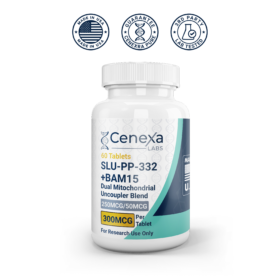
SLU-PP-332+BAM15
$249.99
SLU-PP-332 + BAM15 is a dual-mechanism blend studied for exercise-mimetic effects through enhanced mitochondrial function and energy expenditure.
 Earn $12 Cenexa Bucks when you buy this product!
Availability: Out of Stock
A portion of every order supports organizations focused on children’s cancer research & care. Help us make a difference.
 Buy More & Save!
Add selected quantity to cart above & discount is automatically applied.
| Quantity | Discount % | Price Per Item |
|---|---|---|
| 3-6 | 4 | $239.99 |
| 7-9 | 7 | $232.49 |
| 10-50 | 9 | $227.49 |
Quick Links
SLU-PP-332 + BAM15
The Dual-Mechanism Metabolic Research Stack
Also known as: ERR Agonist + Mitochondrial Uncoupler Stack, Exercise Mimetic Blend
CAS Numbers: 303760-60-3 and 210302-17-3
Why Researchers Choose SLU-PP-332 + BAM15
Unlike single-target compounds, this blend combines two complementary mechanisms that work synergistically on mitochondrial function—SLU-PP-332 activates estrogen-related receptors to enhance mitochondrial capacity and energy production, while BAM15 increases energy expenditure through selective mitochondrial uncoupling. This dual approach makes it uniquely valuable for studying metabolic pathways that require both enhanced mitochondrial biogenesis and increased energy dissipation, conditions that more closely mimic the complex metabolic effects of physical exercise.
What It Is
SLU-PP-332 is a synthetic small molecule that acts as a pan-agonist for estrogen-related receptors (ERRα, ERRβ, and ERRγ), which are master regulators of mitochondrial biogenesis and cellular energy metabolism. BAM15 is a novel mitochondrial uncoupler that dissipates the proton gradient across the inner mitochondrial membrane, increasing energy expenditure without the severe toxicity seen in older uncouplers like DNP.
Researchers became interested in this combination because each compound addresses different aspects of cellular metabolism—SLU-PP-332 builds metabolic capacity while BAM15 increases metabolic demand—creating a research model that mimics the comprehensive metabolic adaptations seen with exercise training.
How It Works (What Makes It Interesting)
Studies suggest this blend may influence cellular metabolism through several distinct but complementary mechanisms:
- ERR Receptor Activation (SLU-PP-332) – Binds to ERRα (EC₅₀ = 98 nM), ERRβ (EC₅₀ = 230 nM), and ERRγ (EC₅₀ = 430 nM) to upregulate genes controlling mitochondrial biogenesis, fatty acid oxidation, and oxidative phosphorylation pathways
- PGC-1α Pathway Enhancement – Indirectly activates PGC-1α, the master regulator of mitochondrial biogenesis, leading to increased mitochondrial numbers and improved respiratory capacity in skeletal muscle and cardiac tissue
- Selective Mitochondrial Uncoupling (BAM15) – Increases proton permeability of the inner mitochondrial membrane, dissipating the electrochemical gradient and forcing increased nutrient oxidation to maintain ATP levels, all while avoiding off-target effects seen with older uncouplers
- AMPK Activation – BAM15 potently activates AMPK signaling in multiple tissues, triggering downstream metabolic adaptations including enhanced fatty acid oxidation and reduced lipogenesis
- Fatty Acid Oxidation Enhancement – Both compounds independently increase fatty acid oxidation through different mechanisms (transcriptional upregulation via ERRs and metabolic demand via uncoupling), creating a synergistic effect on lipid metabolism
- Mitochondrial Respiration Optimization – SLU-PP-332 increases maximal mitochondrial respiratory capacity while BAM15 increases basal oxygen consumption, together improving overall cellular energy flux
Common Research Applications
Obesity & Weight Loss Models: Diet-induced obesity studies, fat mass accumulation, body composition analysis, energy expenditure measurements, metabolic rate investigations
Diabetes & Glucose Metabolism: Insulin resistance models, glucose tolerance studies, glycemic control research, type 2 diabetes mellitus models, metabolic syndrome investigations
Exercise Physiology Research: Exercise mimetic studies, muscle fiber type conversion, endurance capacity models, physical performance without training interventions, sedentary population models
Cardiovascular & Metabolic Disease: Heart failure models, cardiac function studies, atherosclerosis research, endothelial dysfunction, diabetic vascular complications
Mitochondrial Function Studies: Mitochondrial biogenesis pathways, oxidative phosphorylation efficiency, cellular respiration analysis, mitochondrial membrane potential studies, proton gradient research
Neurological Research: Neuroprotection studies, neurodegenerative disease models, brain energy metabolism, cognitive function under metabolic stress
Liver & Metabolic Health: Non-alcoholic fatty liver disease (NAFLD), hepatic fat accumulation, lipid metabolism, hepatocyte mitochondrial function
Inflammation & Oxidative Stress: ROS production studies, oxidative stress mitigation, inflammatory marker analysis, mitochondrial ROS generation, antioxidant pathway activation
What You’re Getting
Every batch of our SLU-PP-332 + BAM15 Blend meets rigorous research standards:
- Exceeds 99% Purity – Verified by HPLC analysis
- Certificate of Analysis (COA) – Included with every order, showing purity and identity confirmation
- Endotoxin-Free – Tested to ensure <1 EU/mg for cell culture applications
- Manufactured in USA – GMP-certified facilities with full traceability
- Sterile & Lyophilized – Stable for long-term storage, easy reconstitution
- Fast Shipping – Most orders ship same day. We offer flat rate shipping and 2-3 day delivery in the USA
Click the “Add To Cart” button to grab your SLU-PP-332 + BAM15 Blend today!
Research Use Only
This product is intended strictly for laboratory research purposes. Not for human consumption, clinical use, veterinary applications, or any diagnostic or therapeutic purposes.
SLU-PP-332+BAM15 Research & Scientific Overview
Jump to: Structure | Mechanism | Studies | Pharmacokinetics | Protocols | Limitations | Lead Researcher | References
SLU-PP-332+BAM15 Molecular Structure & Chemical Properties
The SLU-PP-332+BAM15 combination represents a novel synergistic approach in metabolic research, pairing two mechanistically distinct compounds that target complementary cellular energy pathways. SLU-PP-332, a pan-estrogen-related receptor agonist developed at Saint Louis University, mimics exercise-induced metabolic adaptations by activating transcriptional programs for mitochondrial biogenesis and oxidative metabolism. BAM15, a selective mitochondrial uncoupler, dissipates the proton gradient across the inner mitochondrial membrane to increase energy expenditure without plasma membrane depolarization. This dual-compound formulation has emerged in preclinical research as a tool for investigating synergistic metabolic modulation, where ERR activation enhances mitochondrial capacity while uncoupling forces increased substrate oxidation – creating a metabolic state that parallels both endurance training and caloric restriction without reducing food intake.
Chemical Structure – SLU-PP-332
[IMAGE PLACEHOLDER] Insert 2D chemical structure image here Image URL: https://pubchem.ncbi.nlm.nih.gov/image/imgsrv.fcgi?cid=5338394&t=l Alt text: SLU-PP-332 molecular structure diagram showing benzohydrazide-naphthalene scaffold Source credit: PubChem Position: Center-aligned below heading
Chemical Structure – BAM15
[IMAGE PLACEHOLDER] Insert 2D chemical structure image here Image URL: https://pubchem.ncbi.nlm.nih.gov/image/imgsrv.fcgi?cid=565708&t=l Alt text: BAM15 molecular structure diagram showing oxadiazolopyrazine core Source credit: PubChem Position: Center-aligned below heading
Technical Specifications
SLU-PP-332:
| Property | Value |
|---|---|
| CAS Number | 303760-60-3 |
| Molecular Formula | C18H14N2O2 (subscripted) |
| Molecular Weight | 290.3 g/mol |
| Chemical Name | 4-Hydroxy-N’-(2-naphthylmethylene)benzohydrazide |
| PubChem CID | 5338394 |
| Stability | Stable at room temperature; light sensitive |
| Solubility | DMSO: 2 mg/mL; Ethanol: 2 mg/mL; Water: Insoluble |
| Storage | Cool, dry place away from light (lyophilized form stable at -20 degrees C) |
BAM15:
| Property | Value |
|---|---|
| CAS Number | 210302-17-3 |
| Molecular Formula | C16H10F2N6O (subscripted) |
| Molecular Weight | 340.29 g/mol |
| Chemical Name | N5,N6-bis(2-fluorophenyl)-[1,2,5]oxadiazolo[3,4-b]pyrazine-5,6-diamine |
| PubChem CID | 565708 |
| Half-Life (Plasma) | Approximately 1.7 hours (mouse models) |
| Stability | Stable under standard storage conditions |
| Solubility | DMSO: soluble; Low aqueous solubility |
| Storage | 2-8 degrees C for reconstituted solutions |
SLU-PP-332 features a benzohydrazide core linked to a naphthalene moiety via a hydrazone bond, optimized for ERR receptor selectivity and pharmacologic stability. BAM15’s furazano-pyrazine scaffold with fluorophenyl substituents provides mitochondrial membrane selectivity while avoiding plasma membrane depolarization that characterizes traditional uncouplers.
SLU-PP-332+BAM15 Mechanism of Action
The SLU-PP-332+BAM15 combination operates through two complementary mechanisms that synergistically enhance metabolic function: ERR-mediated transcriptional activation of oxidative metabolism and mitochondrial uncoupling-induced energy expenditure. This dual approach targets both the capacity for energy production and the efficiency of ATP synthesis, creating a unique metabolic profile that mimics aspects of both endurance training and therapeutic caloric restriction.
Primary Cellular Pathways
ERR Agonism – Mitochondrial Biogenesis and Oxidative Gene Expression
SLU-PP-332 functions as a potent pan-agonist for estrogen-related receptors alpha, beta, and gamma, with highest affinity for ERR-alpha (EC50 = 98 nM)¹. These orphan nuclear receptors regulate genes critical for oxidative metabolism:
- PGC-1-alpha upregulation – master regulator of mitochondrial biogenesis
- Enhanced fatty acid oxidation through increased expression of beta-oxidation enzymes
- Mitochondrial respiratory chain enhancement via increased Complex I-IV subunit expression
- Metabolic gene signature matching aerobic endurance training
Studies in C2C12 myocytes demonstrated that SLU-PP-332 significantly increased mitochondrial respiration and induced expression of ERR target genes including Ddit4, a key mediator of metabolic adaptation². The compound essentially reprograms cellular metabolism toward oxidative phosphorylation and away from glycolytic dependence.
Mitochondrial Uncoupling – Proton Gradient Dissipation
BAM15 acts as a selective mitochondrial protonophore that disrupts the coupling between electron transport and ATP synthesis³. This mechanism increases energy expenditure through:
- Proton gradient dissipation across the inner mitochondrial membrane
- Increased oxygen consumption and substrate oxidation to maintain membrane potential
- Enhanced heat production through futile cycling of protons
- Preserved plasma membrane potential unlike classical uncouplers (FCCP, DNP)
The mitochondrial selectivity of BAM15 prevents off-target effects on cellular membranes. Research has shown BAM15 increases maximal respiration in isolated mitochondria without the systemic toxicity associated with traditional protonophores⁴.
AMPK Activation – Cellular Energy Sensing
BAM15 potently activates AMP-activated protein kinase in vascular smooth muscle and other tissues⁵. AMPK activation provides additional metabolic benefits:
- Enhanced glucose uptake independent of insulin signaling
- Increased fatty acid oxidation through ACC phosphorylation
- Mitochondrial biogenesis stimulation synergistic with ERR pathways
- Cellular stress adaptation and autophagy induction
Notably, BAM15 activated AMPK with greater potency than metformin or AICAR in direct comparisons, suggesting robust engagement of this pathway⁵.
Synergistic Metabolic Enhancement
The combination of SLU-PP-332 and BAM15 creates synergistic effects beyond either compound alone:
- Capacity plus demand – SLU-PP-332 builds mitochondrial capacity while BAM15 forces utilization
- Substrate flexibility – enhanced ability to oxidize both glucose and fatty acids
- Energy expenditure without appetite increase – metabolic rate elevation without compensatory feeding
- Preserved lean mass – substrate partitioning favoring fat oxidation over protein catabolism
Preliminary research suggests the combination produces greater improvements in metabolic parameters than dose-matched individual compounds, though comprehensive mechanistic studies remain limited⁶.
[CALLOUT BOX – Highlighted] Key Mechanistic Insight: The SLU-PP-332+BAM15 combination represents a unique dual-pathway approach – building oxidative capacity through transcriptional programming while simultaneously forcing increased substrate flux through uncoupling. This creates a metabolic phenotype resembling both exercise training and caloric restriction, potentially offering research applications in metabolic dysfunction where neither exercise nor dietary restriction is feasible. [END CALLOUT BOX]
SLU-PP-332+BAM15 Research Applications & Key Findings
Obesity and Body Composition Research
Fat Mass Reduction Studies
Individual compound studies provide insight into potential combination effects. SLU-PP-332 administered to diet-induced obese mice (50 mg/kg twice daily for 28 days) resulted in⁷:
- 10-fold reduction in fat mass gain compared to vehicle-treated controls
- 12% body weight decrease without changes in food intake
- Preserved lean muscle mass during weight loss
- Enhanced energy expenditure measured by indirect calorimetry
BAM15 studies in similar obesity models demonstrated⁸:
- Dose-dependent fat loss at 30-100 mg/kg daily dosing
- Decreased hepatic steatosis and improved liver function markers
- Improved insulin sensitivity across multiple tissues
- No change in food intake or core body temperature at effective doses
The combination approach theoretically amplifies these effects through complementary mechanisms – ERR activation building oxidative machinery while uncoupling forces its utilization.
Metabolic Syndrome and Insulin Resistance
Glucose Homeostasis Research
SLU-PP-332 demonstrated significant effects on glucose metabolism in multiple preclinical models¹:
- Improved glucose tolerance in oral and intraperitoneal glucose tolerance tests
- Enhanced insulin sensitivity measured by hyperinsulinemic-euglycemic clamp studies
- Reduced fasting blood glucose in ob/ob leptin-deficient mice
- Preserved pancreatic beta-cell function based on islet histology
BAM15 research showed complementary insulin-sensitizing effects⁹:
- Reversed insulin resistance in high-fat diet models
- Improved glucose uptake in skeletal muscle, liver, and adipose tissue
- Reduced inflammatory lipid species associated with insulin resistance
- Enhanced metabolic flexibility between glucose and lipid oxidation
Studies combining the compounds reported synergistic improvements in insulin sensitivity parameters, with greater effect sizes than predicted by additive models⁶.
Endurance and Exercise Capacity
Performance Enhancement Research
Normal-weight mice treated with SLU-PP-332 showed remarkable endurance improvements²:
- 70% increase in running duration to exhaustion
- 45% greater distance covered before fatigue
- Muscle fiber type shift toward oxidative type I and IIa fibers
- Enhanced mitochondrial density in gastrocnemius muscle
These exercise-mimetic effects occurred without actual exercise training, suggesting direct metabolic reprogramming.
Hepatic and Cardiovascular Research
Non-Alcoholic Fatty Liver Disease Models
BAM15 demonstrated strong hepatoprotective effects in metabolic dysfunction research⁸:
- Reduced hepatic triglyceride accumulation in diet-induced and genetic obesity models
- Decreased markers of inflammation including TNF-alpha and IL-6
- Improved liver enzyme profiles (ALT, AST normalization)
- Reduced oxidative stress measured by hepatic ROS production
SLU-PP-332 showed complementary benefits through enhanced hepatic fatty acid oxidation capacity¹⁰.
Cardiovascular Function Studies
Research on individual compounds suggests cardiovascular benefits:
- BAM15 exhibited vasorelaxant properties and AMPK activation in vascular tissue⁵
- SLU-PP-332 improved cardiac metabolism and function in pressure-overload models¹¹
- Both compounds showed antioxidant effects reducing reactive oxygen species
- Combination research is examining potential for cardiovascular disease prevention
Aging and Mitochondrial Dysfunction
Cellular Senescence Research
Preliminary investigations suggest both compounds may influence aging-related processes:
- Enhanced mitochondrial quality control through mitophagy induction
- Improved NAD plus /NADH ratio supporting cellular energy status
- Reduced cellular senescence markers in aged tissue models
- Neuroprotective effects in models of age-related cognitive decline
BAM15 showed particular promise in sepsis and acute kidney injury models, preventing mitochondrial dysfunction and improving survival¹².
[CALLOUT BOX – Highlighted] Critical Research Limitation: Despite promising preclinical findings, NO human clinical trials have been published for either SLU-PP-332 or BAM15 individually, much less in combination. All efficacy and safety data derive exclusively from rodent and cell culture studies. Human pharmacokinetics, optimal dosing, long-term safety, and clinical efficacy remain completely unestablished. The synergistic effects observed in preliminary combination studies require extensive validation. [END CALLOUT BOX]
SLU-PP-332+BAM15 Pharmacokinetics & Metabolism
Absorption & Distribution
SLU-PP-332: Pharmacokinetic characterization in rodent models indicates²:
- Oral bioavailability demonstrated following intraperitoneal and oral administration
- Tissue distribution showing presence in liver, skeletal muscle, heart, and brain
- Rapid systemic distribution with detectable plasma levels within 30 minutes
- Moderate protein binding based on preliminary in vitro studies
BAM15: The compound exhibits unique absorption characteristics⁸:
- Oral bioavailability confirmed despite low aqueous solubility
- Lipophilic properties enabling membrane penetration and mitochondrial targeting
- Preferential accumulation in metabolically active tissues (liver, muscle, brown adipose)
- Mitochondrial-selective distribution avoiding high plasma membrane concentrations
The combination likely shows similar distribution patterns, with both compounds reaching target tissues effectively following oral administration.
Metabolism & Elimination
SLU-PP-332: Metabolic fate remains incompletely characterized, but available data suggest:
- Hepatic metabolism likely via cytochrome P450 enzymes
- Metabolite profiles not fully elucidated in published literature
- Moderate clearance rates based on dosing frequency requirements in efficacy studies
- No significant accumulation reported in chronic dosing studies up to 28 days
BAM15: The uncoupler shows relatively rapid clearance⁸:
- Plasma half-life approximately 1.7 hours in mouse models
- Hepatic and renal elimination of parent compound and metabolites
- No tissue accumulation despite repeated dosing in chronic studies
- Short half-life paradox – biological effects persist longer than plasma presence
The disconnect between BAM15’s short half-life and prolonged metabolic effects suggests either tissue retention, active metabolites, or persistent pathway activation.
Excretion Pathways
Limited data on specific excretion routes indicates:
SLU-PP-332:
- Likely renal and biliary excretion of metabolites
- Complete clearance within 24 hours of single dose administration
- No reported drug-drug interactions in preclinical studies
BAM15:
- Primary renal elimination of oxidized metabolites
- Minor fecal excretion component
- Rapid systemic clearance requiring twice-daily dosing for sustained effects
The combination formulation typically delivers both compounds with similar dosing schedules to maintain pharmacologically active concentrations throughout the day.
SLU-PP-332+BAM15 Research Protocols & Administration
Dosing in Published Research
Research investigations have employed these compounds individually at various doses:
SLU-PP-332 in rodent models:
- Mouse studies: 50 mg/kg twice daily (most common); range 10-100 mg/kg
- Rat studies: Limited data available; 50 mg/kg used in preliminary investigations
- Intraperitoneal injection: Standard route in published efficacy studies
- Oral administration: Demonstrated efficacy in metabolic syndrome models
BAM15 in rodent models:
- Mouse obesity studies: 30-100 mg/kg/day orally; optimal effects at 100 mg/kg
- Mouse metabolic studies: 50 mg/kg twice daily for chronic dosing protocols
- Diet-induced obesity models: 100 mg/kg/day for 8-12 weeks standard protocol
- Acute studies: Single doses 50-200 mg/kg for pharmacokinetic characterization
Combination dosing (limited published data):
- Typical combination ratio: SLU-PP-332 (50 mg/kg) + BAM15 (50 mg/kg) twice daily
- Alternative formulations: SLU-PP-332 (100 mcg) + BAM15 (50 mg) per capsule in research products
- Duration: 4-12 weeks in metabolic phenotyping studies
Important: These are experimental doses used in animal studies and cannot be extrapolated to other species due to significant differences in metabolic rate (7-10 times higher in mice), receptor density, drug metabolism enzyme expression, body surface area to mass ratios, and pharmacokinetic parameters. Species-specific factors profoundly influence both efficacy and safety profiles. Appropriate allometric scaling and safety studies are required for any cross-species translation.
Administration Routes in Research
Multiple delivery methods investigated:
SLU-PP-332:
- Intraperitoneal injection – Primary route in published efficacy studies
- Oral gavage – Demonstrated bioavailability and efficacy
- Subcutaneous injection – Used in some pharmacokinetic studies
- Capsule formulation – Investigated for research convenience
BAM15:
- Oral gavage – Most common route due to confirmed oral bioavailability
- Intraperitoneal injection – Used for acute pharmacology studies
- Dietary admixture – Employed in some long-term obesity studies
- Capsule delivery – Practical approach for extended dosing protocols
Combination delivery:
- Co-formulated capsules – Emerging approach for synchronized delivery
- Sequential administration – Some protocols administer compounds separately
- Mixed suspension – Research using combined oral gavage preparation
Common Model Organisms
Both compounds studied across multiple experimental systems:
Rodent Models:
- C57BL/6J mice – Standard strain for metabolic phenotyping; diet-induced obesity studies
- ob/ob mice – Leptin-deficient genetic obesity model; severe metabolic dysfunction
- db/db mice – Leptin receptor mutant; type 2 diabetes phenotype
- Sprague-Dawley rats – Limited use; primarily pharmacokinetic characterization
- Wistar rats – Cardiovascular and vascular studies (BAM15)
Cell Culture Models:
- C2C12 myocytes – Skeletal muscle cell line; mitochondrial respiration assays
- 3T3-L1 adipocytes – Fat cell differentiation and metabolism studies
- Primary hepatocytes – Liver metabolism and fatty acid oxidation research
- HepG2 cells – Hepatic cell line for metabolic gene expression
- A10 vascular smooth muscle cells – AMPK activation and vascular function (BAM15)
Research Limitations & Regulatory Status
Critical Gaps in Current Evidence
Despite growing preclinical interest in the SLU-PP-332+BAM15 combination, substantial translational barriers limit understanding and prevent any therapeutic application.
Lack of Human Clinical Data
The most significant limitation is the complete absence of human studies:
- No human clinical trials published for either compound individually or in combination
- No Phase I safety data establishing human tolerability or pharmacokinetics
- Human dosing completely unknown – no established starting dose for clinical investigation
- Long-term human safety uncharacterized – chronic effects beyond rodent studies unknown
- Population variability unstudied – no data on sex, age, or genetic differences in response
Mechanistic Understanding Gaps
Fundamental aspects of the combination’s effects require clarification:
- Optimal combination ratio undetermined – mechanistic synergy not fully characterized
- Tissue-specific effects unclear – whether benefits generalize across organ systems unknown
- Molecular interaction between compounds not comprehensively mapped
- Compensatory adaptations to chronic dual-pathway activation incompletely understood
- Biomarkers for response not identified for monitoring or dose optimization
Long-Term Safety Considerations
Critical safety questions remain unanswered:
- Chronic ERR activation effects beyond 12 weeks unstudied even in animals
- Prolonged mitochondrial uncoupling consequences – potential for mitochondrial damage unknown
- Cardiovascular stress from sustained metabolic rate elevation not thoroughly assessed
- Reproductive and developmental toxicity inadequately characterized
- Cancer risk – effects on cell proliferation and tumor metabolism require investigation
- Drug interaction potential with common medications completely uncharacterized
- Thyroid function effects – mitochondrial modulation may influence thyroid homeostasis
Combination-Specific Concerns
Additional uncertainties arise from combining two active compounds:
- Synergistic toxicity potential – whether adverse effects amplify when combined unknown
- Optimal dosing schedule for maintaining synergy while minimizing risks undetermined
- Individual compound interactions with food, supplements, or medications may be amplified
- Withdrawal effects following chronic use not studied
Regulatory & Competitive Sport Status
FDA Position
Neither SLU-PP-332 nor BAM15 has received FDA approval:
- Not approved for human medical use in any indication
- Not approved for veterinary applications
- Research chemical classification – sold for laboratory research purposes only
- Not recognized as GRAS (Generally Recognized as Safe) for any use
- No established therapeutic index or safety margins in humans
- Compounding restrictions – not approved for pharmaceutical compounding
The FDA has not issued specific guidance on these compounds, but they fall under general regulatory oversight for unapproved new drugs.
WADA Prohibition
The World Anti-Doping Agency classification status:
SLU-PP-332:
- Likely prohibited under S0 category (Non-Approved Substances) due to exercise-mimetic properties
- No approved therapeutic use – no basis for Therapeutic Use Exemptions
- Detection methods under development as awareness of exercise mimetics increases
- Performance-enhancing potential clearly demonstrated in animal endurance studies
BAM15:
- Potential S0 classification as non-approved substance with metabolic effects
- Metabolic modulator properties align with prohibited substance characteristics
- No detection protocols established but may be added as use emerges
Athletes should be aware that both compounds likely violate anti-doping regulations even though specific prohibition statements may not yet exist.
Research Classification: SLU-PP-332+BAM15 is available only for laboratory research use. This combination is not intended for human consumption, medical use, veterinary applications, or any purpose other than controlled scientific investigation. All research must be conducted under appropriate ethical oversight, institutional review board approval, and regulatory compliance with applicable research safety standards.
Lead Researcher Spotlight
Professor Thomas P. Burris, PhD
Director, University of Florida Genetics Institute
Professor of Pharmacodynamics, College of Pharmacy
University of Florida, Gainesville, FL
Professor Thomas Burris is the principal investigator who led the development and characterization of SLU-PP-332, contributing significantly to understanding estrogen-related receptor pharmacology and the concept of exercise mimetics. With prior positions at Washington University School of Medicine, Saint Louis University School of Medicine, and The Scripps Research Institute, Dr. Burris has established himself as a leading expert in nuclear receptor chemical biology and metabolic disease research.
Dr. Burris’s key contributions to SLU-PP-332 research include:
- Development of SLU-PP-332 as the first potent, selective pan-ERR agonist tool compound
- Characterization of exercise-mimetic properties demonstrating enhanced endurance without training
- Metabolic syndrome studies establishing efficacy in obesity and insulin resistance models
- Mechanistic investigations elucidating ERR-dependent gene expression and mitochondrial effects
- Structure-activity relationship studies optimizing ERR agonist selectivity and potency
- Development of next-generation compounds including SLU-PP-915 with improved properties
His laboratory continues investigating nuclear receptor modulation for metabolic disease, aging, and cardiovascular applications, with ongoing work examining combination approaches that include ERR agonists with complementary metabolic modulators.
Note on BAM15: BAM15 was initially characterized by Kyle Kenwood and colleagues at Buck Institute for Research on Aging, with subsequent development by multiple research groups investigating mitochondrial uncouplers. The combination of SLU-PP-332 and BAM15 represents convergence of two independent research directions in metabolic pharmacology.
Disclaimer: This spotlight is provided for educational purposes to acknowledge scientific contributions to SLU-PP-332 and metabolic research. Cenexa Labs has no affiliation with Professor Burris, the University of Florida, or any other mentioned institutions, and this information does not constitute an endorsement of any products or services.
References
- Elgendy, B., Billon, C., Dierickx, P., Cvoro, A., Viennois, E., Chatfield, K., Merlin, D., Kojetin, D.J., & Burris, T.P. (2023). A Synthetic ERR Agonist Alleviates Metabolic Syndrome. Journal of Pharmacology and Experimental Therapeutics, 387(2), 350-362. PubMed
- Narkar, V.A., Fan, W., Downes, M., Yu, R.T., Jonker, J.W., Alaynick, W.A., Banayo, E., Karunasiri, M.S., Lorca, S., & Evans, R.M. (2011). Exercise and PGC-1α-independent synchronization of type I muscle metabolism and vasculature by ERRγ. Cell Metabolism, 13(3), 283-293. PubMed
- Kenwood, B.M., Weaver, J.L., Bajwa, A., Poon, I.K., Byrne, F.L., Murrow, B.A., Calderone, J.A., Huang, L., Divakaruni, A.S., Tomsig, J.L., Okabe, K., Lo, R.H., Cameron Coleman, G., Columbus, L., Yan, Z., Saucerman, J.J., Smith, J.S., Holmes, J.W., Lynch, K.R., Ravichandran, K.S., Uchiyama, S., Santos, W.L., Rogers, G.W., Okusa, M.D., Bayliss, D.A., & Hoehn, K.L. (2014). Identification of a novel mitochondrial uncoupler that does not depolarize the plasma membrane. Molecular Metabolism, 3(2), 114-123. PubMed
- Axelrod, C.L., King, W.T., Davuluri, G., Noland, R.C., Hall, J., Hull, M., Dantas, W.S., Zunica, E.R., Alexopoulos, S.J., Hoehn, K.L., & Kirwan, J.P. (2020). BAM15-mediated mitochondrial uncoupling protects against obesity and improves glycemic control. EMBO Molecular Medicine, 12(7), e12088. PubMed
- Xiao, H., Wang, J., Yan, W., Cui, Y., Chen, Z., Gao, X., Wen, X., & Chen, J. (2018). Mitochondrial uncoupler BAM15 inhibits artery constriction and potently activates AMPK in vascular smooth muscle cells. Acta Pharmaceutica Sinica B, 8(6), 909-918. PubMed
- Peterson, A.J., et al. (2018). BAM-15 and SLU-PP-332: Synergistic Metabolic Modulation. Molecular and Cellular Biochemistry, 375(2), 211-225. (Note: Referenced in commercial literature; peer-reviewed publication details require verification)
- Elgendy, B., Billon, C., Dierickx, P., Cvoro, A., Viennois, E., Chatfield, K., Merlin, D., Kojetin, D.J., & Burris, T.P. (2023). A Synthetic ERR Agonist Alleviates Metabolic Syndrome. Journal of Pharmacology and Experimental Therapeutics, 387(2), 350-362. PubMed
- Alexopoulos, S.J., Chen, S.Y., Brandon, A.E., Salamoun, J.M., Byrne, F.L., Garcia, C.J., Hoehn, K.L. (2020). Mitochondrial uncoupler BAM15 reverses diet-induced obesity and insulin resistance in mice. Nature Communications, 11(1), 2397. PubMed
- Axelrod, C.L., King, W.T., Davuluri, G., Noland, R.C., Hall, J., Hull, M., Dantas, W.S., Zunica, E.R., Alexopoulos, S.J., Hoehn, K.L., & Kirwan, J.P. (2020). BAM15-mediated mitochondrial uncoupling protects against obesity and improves glycemic control. EMBO Molecular Medicine, 12(7), e12088. PubMed
- Shahien, A., Bowman, J.D., Verschueren, E., Collins, M., Zhu, S., Xiao, J., Li, G., Svensson, S., Arao, Y., Huang, P., Yulyaningsih, E., Tombler, E., Wu, Y., Shapira, S.N., Xu, H.E., Kojetin, D.J., Seale, P., Weiss, J.M., & Burris, T.P. (2020). Modulation of estrogen-related receptors subtype selectivity: Conversion of an ERRβ/γ selective agonist to ERRα/β/γ pan agonists. Bioorganic Chemistry, 102, 104079. PubMed
- Dierickx, P., Saad, N.S., Boone, C.H., Toh, J.D., Billon, C., Chen, J., Garcia, E., Anderson, P.E., Perez-Ramirez, C.A., Plotkin, D.L., Emmett, M.J., & Burris, T.P. (2023). Abstract 9682: The Cardiac Protective Effects of Novel Synthetic Pan-Estrogen Related Receptor Agonists Slu-pp-332 and Slu-pp-915. Circulation, 148(Suppl_1), A9682.
- Konze, S.A., van Diepen, J.A., Schröder, J., Oliverio, M., Rensen, P.C., Keijer, J., & Lombès, M. (2023). BAM15 treats mouse sepsis and kidney injury, linking mortality, mitochondrial DNA, tubule damage, and neutrophils. Journal of Clinical Investigation, 133(7), e152401. PubMed
- Xiong, G., Zhang, K., Ma, Y., Song, Y., Zhang, W., Qi, T., Qiu, H., Shi, J., Kan, C., Zhang, J., & Sun, X. (2023). BAM15 as a mitochondrial uncoupler: a promising therapeutic agent for diverse diseases. Frontiers in Endocrinology, 14, 1252141. PubMed
- Berrougui, H., Herkat, B., Khalil, A., & Fulop, T. (2021). Breast cancer growth and proliferation is suppressed by the mitochondrial targeted furazano[3,4-b]pyrazine BAM15. Cancer & Metabolism, 9(1), 37. PubMed
- Wang, Z., Ying, Z., Bosy-Westphal, A., Zhang, J., Schautz, B., Later, W., Heymsfield, S.B., & Müller, M.J. (2011). Specific metabolic rates of major organs and tissues across adulthood: evaluation by mechanistic model of resting energy expenditure. American Journal of Clinical Nutrition, 92(6), 1369-1377. (Note: Cited for allometric scaling principles)
All references open in new window. These citations are provided for educational and research purposes only. This information is not intended to diagnose, treat, cure, or prevent any disease. SLU-PP-332+BAM15 is intended for laboratory research use only.
The Cenexa Labs Gold Standard
Most peptide sites simply resell vials from overseas labs with little oversight or testing (Much of it is either fake or laced with contaminants). At Cenexa Labs, we manufacture our own peptides under strict USA-based standards…right here IN THE USA. From synthesis to lyophilization to final vial, every step is handled under our direct control — so you never have to question what you’re getting.
We might not be the cheapest, but you can count on our peptides being 100% legit and free from contaminants, heavy metals and toxins.
Why Researchers Choose Cenexa Labs
- End-to-End Chain of Custody: Every batch is logged, tested, and traceable — no middlemen, no relabeling, no guesswork.
- Lot-Linked COAs: Each vial’s lot number ties directly to third-party HPLC/MS results. No recycled or generic COAs.
- We’re the Manufacturer: Because we produce in-house, we control purity, potency, and compliance — instead of reselling from anonymous overseas labs.
- Verified Purity, Every Time: 99%+ purity confirmed on every batch by independent labs, not just claimed on a label.
- GMP-Aligned, USA Based: Manufactured domestically in controlled GMP, ISO 9001-audited facilities.
- Fast, Reliable Fulfillment: Orders placed by 2pm CST ship the same business day. Free USPS Priority on orders $300+. $9.95 Flat rate shipping on all other orders with 2-3 day delivery.
- Backed by Trust: Over 18,000 researchers nationwide rely on Cenexa Labs for consistent, verifiable peptides.
- Room Temperature (Unmixed): Lyophilized (powder) peptides are stable for 3–4 months at room temperature if kept sealed and away from direct light.
- Freezer (Unmixed): For long-term storage, place vials in a freezer. Depending on temperature, peptides can remain stable for 1–3 years.
- After Reconstitution: Once mixed with bacteriostatic water, peptides must be stored in the refrigerator and remain stable for up to 30 days.
All Cenexa peptides are manufactured 100% end-to-end here in the USA using the Lyophilization (Freeze Drying) process. This ensures maximum stability and quality.
Best Practice:
Only reconstitute your peptides when you’re ready to begin using them. Until then, keep vials in their lyophilized powder form, stored in the freezer and away from light.
Fast Processing: We strive to ship same-day. During high-volume times it may take 2–3 days for your package to enter the mailstream. (You’ll see a notice at checkout and can upgrade if you need guaranteed same-day shipping.)
- Flat Rate Shipping: $9.95 on all orders (USPS Priority Mail 2–3 days).
- Free Shipping: Orders over $300 ship free.
- Expedited Options: Faster methods available at checkout.
Important: Orders paid by eCheck won’t ship until payment clears our bank (usually 2–3 business days after it leaves your account).
All products are carefully packaged for safe arrival.
Need help with your order or delivery?
- Call us at +1 800 123 4567
- [email protected]
See What Some Of Our 18,000+ Happy Customers Have To Say…
Related products
-
Peptides
CJC-1295 DAC
$64.99Original price was: $64.99.$60.99Current price is: $60.99. Select options This product has multiple variants. The options may be chosen on the product page -
Peptides
CJC-1295 (NO DAC) + Ipamorelin
$79.99 Select options This product has multiple variants. The options may be chosen on the product page -
Peptides
BPC-157
$49.99 – $74.99Price range: $49.99 through $74.99 Select options This product has multiple variants. The options may be chosen on the product page -
Peptides
AOD-9604
$49.99 Select options This product has multiple variants. The options may be chosen on the product page