Earn $3 Cenexa Bucks when you buy this product!
 Buy More & Save!
Add selected quantity to cart above & discount is automatically applied.
HGH Fragment 176-191 Research & Scientific Overview
Jump to: Structure | Mechanism | Studies | Pharmacokinetics | Protocols | Limitations | Lead Researcher | References
HGH Fragment 176-191 Molecular Structure & Chemical Properties
HGH Fragment 176-191 peptide represents a strategically isolated segment of human growth hormone (hGH) that has attracted substantial research interest for its selective metabolic effects. Comprising the final 16 amino acids from the C-terminal region of the complete 191-amino acid hGH molecule, this synthetic peptide fragment has been investigated in over 30 preclinical studies examining its effects on lipid metabolism, glucose regulation, and tissue regeneration. First characterized in the late 1970s through studies identifying the hypoglycemic properties of various hGH C-terminal fragments, Fragment 176-191 emerged as the most potent derivative for influencing metabolic pathways without triggering the broader systemic effects associated with full-length growth hormone, including IGF-1 elevation, insulin resistance, and long bone growth stimulation.
Chemical Structure
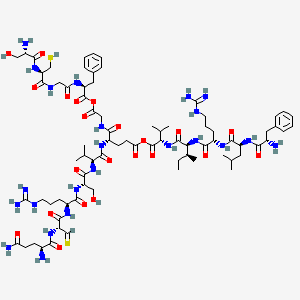 |
2D molecular structure (Source: PubChem)
Technical Specifications
| Property | Value |
|---|---|
| CAS Number | 66004-57-7 |
| Molecular Formula | C78H123N23O22S2 (subscripted) |
| Molecular Weight | 1799.1 g/mol |
| Amino Acid Sequence | Phe-Leu-Arg-Ile-Val-Gln-Cys-Arg-Ser-Val-Glu-Gly-Ser-Cys-Gly-Phe |
| Half-Life (Plasma) | Not fully characterized (estimated <1 hour based on related fragments) |
| Stability | Enhanced stability compared to full hGH; resistant to gastric degradation when modified |
| Solubility | Water soluble; soluble in saline and bacteriostatic water |
| Storage | Lyophilized: -20 degrees C; Reconstituted: 2-8 degrees C |
The peptide contains a naturally occurring disulfide bond between two cysteine residues (positions 7 and 14 in the sequence), which contributes significantly to structural stability and resistance to enzymatic degradation. This disulfide bridge is critical for maintaining the three-dimensional conformation required for biological activity.
HGH Fragment 176-191 Mechanism of Action
HGH Fragment 176-191 peptide exerts its biological effects through mechanisms that differ substantially from full-length growth hormone, operating without direct interaction with classical GH receptors. Research demonstrates that the fragment’s metabolic actions are primarily mediated through beta-3-adrenergic receptor modulation and alterations in cellular signaling cascades involved in lipid and glucose metabolism, though the complete mechanistic picture remains under active investigation.
Primary Metabolic Pathways
Beta-3-Adrenergic Receptor Upregulation – Lipolysis Enhancement
The most comprehensively studied mechanism involves Fragment 176-191’s capacity to increase expression of beta-3-adrenergic receptors (beta-3-AR or ADRB3) in adipose tissue. Studies in obese mice demonstrated that:
- Increased beta-3-AR RNA expression in fat cells following 14-day administration, with levels in obese mice elevated to match those in lean controls
- Enhanced lipolytic sensitivity and fat oxidation rates correlating with receptor upregulation
- Beta-3-AR knockout mice showed no weight reduction response to Fragment 176-191, confirming receptor dependency
- Selective effects observed only in obese animals, with no weight changes in lean mice
The beta-3-AR pathway activation stimulates hormone-sensitive lipase, catalyzing triglyceride breakdown into free fatty acids and glycerol for energy utilization.
Hypoglycemic Action – Glucose and Insulin Modulation
Research examining six different C-terminal hGH fragments (172-191, 176-191, 177-191, 178-191, 179-191, 180-191) identified Fragment 176-191 peptide as producing the most significant metabolic effects:
- Transient elevation in blood glucose followed by sustained increases in plasma insulin levels
- Effects on glycogen synthase phosphatase activity in muscle tissue
- Hypoglycemic action attributed specifically to the C-terminal amino acid sequence
- No adverse effects on insulin sensitivity (unlike full hGH), confirmed through euglycemic clamp studies
Independence from Growth Hormone Receptor Pathway
Critical mechanistic studies established that Fragment 176-191 operates through pathways distinct from classical GH signaling:
- Does not compete for GH receptor binding sites, unlike full-length hGH
- No stimulation of cell proliferation in GH receptor-transfected cell lines
- No elevation of IGF-1 levels in circulation
- Preserved lipolytic effects without triggering anabolic or diabetogenic responses
This independence from GH receptor pathways explains the fragment’s selective metabolic effects without the growth-promoting or glucose-disrupting properties of full hGH.
Thermogenesis Induction – Energy Expenditure Enhancement
Research in obese mice demonstrated that Fragment 176-191 administration resulted in:
- Increased thermogenesis in skeletal muscle tissue
- Elevated energy expenditure and fat oxidation rates
- Enhanced metabolic rate without alterations in food intake or appetite
- Effects mediated partially through beta-3-AR activation in muscle
Potential Indirect Mechanisms – Cellular Signaling
Emerging evidence suggests additional pathways may contribute to Fragment 176-191’s metabolic effects:
- Possible modulation of secondary messenger systems within adipocytes
- Potential influence on lipolytic enzyme expression beyond beta-3-AR activation
- Investigation ongoing into apoptotic signaling in white adipose tissue
- Mechanisms for tissue-specific effects remain incompletely characterized
HGH Fragment 176-191 Research Applications & Key Findings
Obesity and Metabolic Research
Lipolysis and Fat Reduction Studies
Extensive investigation in rodent obesity models has examined Fragment 176-191’s effects on body composition and fat metabolism. Key findings from obese mouse studies include:
- 50% reduction in body weight gain over 14 days compared to saline controls in obese mice
- 28% decrease in white adipose tissue mass following chronic administration
- Increased plasma glycerol levels indicating enhanced lipolysis rates
- Selective effects in obese subjects – no weight reduction observed in lean mice, suggesting regulatory mechanisms prevent excessive fat loss
Studies comparing Fragment 176-191 with full-length hGH in obese models demonstrated that while both reduced body weight, hGH produced greater fat reduction (40% vs 28%) but also caused hyperglycemia and altered insulin sensitivity, effects absent with the fragment.
Energy Expenditure and Fat Oxidation
Metabolic cage studies in mice revealed that Fragment 176-191 administration resulted in:
- Significantly increased fat oxidation rates without changes in glucose oxidation
- Enhanced resting energy expenditure
- No alterations in caloric intake or feeding behavior
- Effects mediated through increased beta-3-AR expression in both adipose tissue and skeletal muscle
Blood Glucose Regulation Research
Hypoglycemic Effects and Insulin Dynamics
Comparative studies of six C-terminal hGH fragments identified Fragment 176-191 as the most potent derivative for glucose metabolism modulation:
- Most effective fragment for producing hypoglycemic responses among tested sequences (172-191, 176-191, 177-191, 178-191, 179-191, 180-191)
- Transient blood glucose elevation followed by sustained plasma insulin increases
- Effects attributed specifically to amino acids 176-191 of the hGH sequence
- No adverse impact on insulin sensitivity, distinguishing it from full hGH which impairs insulin action
Research in obese Zucker rat models confirmed that Fragment 176-191 does not negatively affect insulin sensitivity as measured by euglycemic clamp techniques, contrasting sharply with full-length hGH effects.
Cartilage Regeneration and Osteoarthritis Research
Synergistic Effects with Hyaluronic Acid
A pivotal 2015 study in rabbit models of collagenase-induced knee osteoarthritis investigated Fragment 176-191’s regenerative potential:
- Enhanced cartilage regeneration when administered alone compared to saline controls
- Synergistic effects when combined with hyaluronic acid (HA), producing superior outcomes versus either treatment alone
- Significantly reduced lameness duration and improved mobility scores in combination therapy group
- Lower morphological and histopathological damage scores with Fragment 176-191 plus HA treatment
The study divided osteoarthritic rabbits into four groups: saline control, HA alone, Fragment 176-191 alone, and combination therapy, with the combination group demonstrating the most significant improvements across all measured parameters.
Comparative Safety Profile Research
Absence of hGH-Associated Side Effects
Multiple studies have characterized Fragment 176-191’s safety profile in comparison to full-length growth hormone:
- No elevation of IGF-1 levels in circulation following chronic administration
- No impairment of glucose tolerance or insulin sensitivity (contrasting with hGH effects)
- No stimulation of cell proliferation or tissue growth beyond targeted effects
- Absence of long bone growth stimulation observed with full hGH
Studies in both mice and rats confirmed these differential effects, with Fragment 176-191 preserving lipolytic actions while avoiding the diabetogenic and growth-promoting consequences associated with hGH therapy.
Drug Delivery System Research
Nanoparticle Formulation Studies
Recent investigation explored Fragment 176-191 as an enhancer for chemotherapeutic drug delivery:
- Chitosan nanoparticles loaded with both Fragment 176-191 and doxorubicin showed enhanced binding to breast cancer receptors in molecular docking studies
- Greater anti-proliferative activity against MCF-7 breast cancer cells compared to doxorubicin alone
- Potential for improved tumor targeting while reducing systemic toxicity
- Fragment 176-191 binding to cancer receptors enhanced subsequent doxorubicin binding affinity
HGH Fragment 176-191 Pharmacokinetics & Metabolism
Absorption & Distribution
Limited pharmacokinetic data exist for unmodified Fragment 176-191, with most available information extrapolated from studies of the closely related peptide AOD9604 (which contains an additional tyrosine residue). Based on available research:
- Rapid absorption following subcutaneous or intraperitoneal injection in animal models
- Systemic distribution achieved within 15-30 minutes of administration
- Bioavailability varies significantly by route – intravenous administration shows complete bioavailability, while oral and subcutaneous routes demonstrate reduced absorption
- The naturally occurring disulfide bond between cysteine residues contributes to structural stability during circulation
- Tissue distribution patterns not comprehensively characterized in published literature
Metabolism & Elimination
The metabolic fate of Fragment 176-191 remains incompletely characterized, though studies of AOD9604 provide insights into likely degradation pathways:
- Estimated plasma half-life under 1 hour in rodent models, though precise measurements for unmodified Fragment 176-191 are not published
- Rapid clearance from circulation following administration
- Metabolic studies of AOD9604 identified six potential metabolite fragments in serum and urine
- The most stable metabolite identified consists of amino acids CRSVEGSCG (the central fragment containing the disulfide bond)
- Peptidase enzymes likely catalyze sequential amino acid cleavage from both termini
Excretion Pathways
Limited published data address Fragment 176-191’s excretion, with inferences drawn from peptide structure and related compounds:
- Renal filtration presumed to be the primary elimination route for the parent peptide and metabolites
- Small molecular size (1799.1 g/mol) permits glomerular filtration
- Peptide fragments likely cleared through normal kidney function
- No evidence of significant hepatobiliary excretion or accumulation in chronic dosing studies (animal models)
A significant pharmacokinetic paradox exists: despite rapid plasma clearance (estimated half-life <1 hour), biological effects on fat metabolism and weight reduction persist for days following administration in animal studies. This disconnect suggests either tissue retention, formation of active metabolites with prolonged half-lives, or triggering of persistent cellular signaling cascades that outlast the peptide’s plasma presence. This mechanistic gap represents a critical area requiring further investigation.
HGH Fragment 176-191 Research Protocols & Administration
Dosing in Published Research
Research investigations have employed diverse Fragment 176-191 doses across various species and experimental models:
- Mouse studies: 250-1000 mcg/kg body weight is the typical range, with 500 mcg/kg commonly used in obesity models
- Rat studies: 5-10 nmol/kg body weight used in hypoglycemic effect studies
- Rabbit studies: Weekly intra-articular injections for cartilage regeneration research
- Cell culture: Concentration-dependent effects studied at 1-100 mcg/mL in adipocyte cultures
The modified version AOD9604 underwent human dose-escalation studies examining 25-400 mcg/kg, but these data cannot be directly applied to unmodified Fragment 176-191 due to structural differences (additional tyrosine residue in AOD9604) that may alter pharmacokinetics and receptor binding.
Important: These are experimental doses used in animal studies and cannot be extrapolated to other species due to significant differences in metabolic rate, receptor expression density, body surface area to mass ratios, and peptide degradation kinetics between rodents and other species. Allometric scaling calculations for peptide therapeutics are complex and unreliable without species-specific pharmacokinetic data.
Administration Routes in Research
Multiple delivery methods have been investigated in preclinical studies:
- Intraperitoneal injection – Most common route in rodent metabolic studies; reliable systemic delivery
- Subcutaneous injection – Used in chronic administration protocols; slower absorption than IP route
- Intravenous injection – Employed for pharmacokinetic characterization and acute studies
- Oral administration – Investigated for AOD9604; bioavailability lower than injection routes
- Intra-articular injection – Specific application for cartilage regeneration studies in osteoarthritis models
Route selection in research protocols depends on experimental objectives, with injection routes providing more predictable dosing than oral administration for peptides susceptible to gastrointestinal degradation.
Common Model Organisms
Fragment 176-191 has been studied across multiple species and experimental systems:
- Mice – Primary research model for obesity and metabolic studies (obese mouse models, beta-3-AR knockout mice); most published data
- Rats – Used for glucose metabolism and hypoglycemic effect characterization (obese Zucker rats, normal rats)
- Rabbits – Employed in cartilage regeneration and osteoarthritis research (collagenase-induced OA models)
- Cell culture systems – Adipocytes, fibroblasts, and breast cancer cell lines for mechanistic studies and receptor binding characterization
- In silico models – Molecular docking simulations for receptor interaction predictions
Research Limitations & Regulatory Status
Critical Gaps in Current Evidence
Despite three decades of preclinical investigation since the initial characterization of C-terminal hGH fragments in 1978, Fragment 176-191 faces substantial translational barriers that significantly limit its research utility and prevent any clinical applications.
Complete Absence of Human Clinical Data
The most critical limitation undermining Fragment 176-191 research is the total absence of human studies:
- Zero published human clinical trials exist in peer-reviewed scientific literature for unmodified Fragment 176-191
- No Phase I, II, or III studies registered in clinical trial databases (ClinicalTrials.gov, WHO ICTRP)
- Human pharmacokinetics completely unknown – absorption, distribution, metabolism, excretion all uncharacterized
- Optimal human dosing cannot be determined from animal data due to species differences
- Long-term human safety profile non-existent
- Efficacy in human obesity, diabetes, or osteoarthritis completely unproven
The modified derivative AOD9604 underwent limited human trials (dose-escalation and obesity studies), but these results cannot be directly applied to Fragment 176-191 due to structural differences that may significantly alter pharmacological properties.
Mechanistic Understanding Gaps
Fundamental aspects of Fragment 176-191’s mechanism of action remain poorly understood:
- Primary molecular target not definitively identified – while beta-3-adrenergic receptor involvement is established, the fragment retains activity in beta-3-AR knockout mice, indicating additional uncharacterized pathways
- Whether effects are mediated through direct receptor binding or indirect cellular signaling remains unclear
- Tissue-specific mechanisms explaining selective effects on adipose tissue versus other tissues require elucidation
- Relationship between rapid plasma clearance and prolonged biological effects unexplained
- Molecular basis for selective activity in obese versus lean subjects unknown
Long-Term Safety Unknowns
Critical safety questions remain unanswered even in animal models:
- Chronic use effects beyond several weeks unstudied in any species
- Potential for adverse effects with repeated long-term administration unknown
- Impact on reproductive function and developmental toxicity inadequately investigated
- Effects on cancer cell growth or tumor progression not systematically studied
- Interaction potential with medications and other peptides uncharacterized
- Immunogenicity and antibody formation risk in chronic use settings unexplored
Research Methodology Limitations
Published studies exhibit several methodological constraints:
- Most research concentrated in rodent models with limited species diversity
- Small sample sizes in many studies limit statistical power
- Short-term protocols predominate (typically 2-4 weeks maximum)
- Mechanistic studies often rely on single-dose acute administration
- Limited investigation of dose-response relationships across physiological ranges
Regulatory & Competitive Sport Status
FDA Position
Fragment 176-191 lacks approval from the U.S. Food and Drug Administration:
- Not approved for any human use indication – neither obesity, diabetes, nor osteoarthritis
- Not recognized as Generally Recognized as Safe (GRAS) for any application
- Not approved for veterinary use in any animal species
- Not legally available for medical compounding in the United States
- No established therapeutic use or accepted medical indication
The FDA considers unapproved peptides marketed for human use to be illegal drugs, and has issued warning letters to companies selling similar peptides for human consumption.
WADA Prohibition
While unmodified Fragment 176-191 is not specifically listed, the closely related peptide AOD9604 is prohibited by the World Anti-Doping Agency:
- AOD9604 classified as prohibited substance under WADA S0 category (Non-Approved Substances)
- Prohibited at all times (both in-competition and out-of-competition)
- No Therapeutic Use Exemptions (TUEs) available or granted
- Detection methods developed for anti-doping testing in urine samples
- Athletes testing positive face sanctions per WADA Code violations
WADA’s prohibition reflects that these peptides lack regulatory approval from any health authority worldwide and have potential performance-enhancing effects.
Research Classification: HGH Fragment 176-191 is available exclusively for laboratory research use. It is not intended for human consumption, medical treatment, veterinary applications, or any use outside controlled laboratory settings. All research must be conducted under appropriate ethical oversight, institutional review board approval where applicable, and in full compliance with local and national regulations governing research compounds.
Lead Researcher Spotlight
Dr. F.M. Ng, PhD
Senior Research Scientist
Metabolic Research Laboratory (Historical Affiliation)
Dr. F.M. Ng has been a pioneering investigator in the field of growth hormone fragment research since the late 1970s, leading seminal studies that identified and characterized the metabolic properties of C-terminal hGH fragments. His laboratory conducted the foundational work establishing that the lipolytic and hypoglycemic activities of growth hormone reside in specific amino acid sequences at the C-terminus, particularly the 176-191 region.
Dr. Ng’s research contributions to Fragment 176-191 and related peptides include:
- Characterization of metabolic effects of multiple C-terminal hGH fragments, identifying Fragment 176-191 as the most potent for glucose regulation
- Development of the synthetic lipolytic domain AOD9604, a stabilized derivative of Fragment 176-191
- Studies establishing that C-terminal fragments operate independently of classical GH receptor pathways
- Investigation of oral bioavailability and pharmacokinetic properties of hGH fragments
- Research demonstrating preserved lipolytic effects without adverse impacts on insulin sensitivity
His work, published in prominent journals including Hormone Research, Endocrinology, and American Journal of Physiology, established the scientific foundation for understanding how specific hGH regions control distinct metabolic functions. These investigations demonstrated that growth hormone may function as a pro-hormone, with different fragments exerting specialized biological activities independent of the full molecule.
Disclaimer: This spotlight is provided for educational purposes to acknowledge scientific contributions to HGH Fragment 176-191 research. Cenexa Labs has no affiliation with Dr. F.M. Ng or any institutions with which he has been associated, and this information does not constitute an endorsement of any products or services.
References
- Ng FM, Bornstein J. Hyperglycemic action of synthetic C-terminal fragments of human growth hormone. Am J Physiol. 1978 May;234(5):E521-6. PubMed
- Heffernan M, Summers RJ, Thorburn A, Ogru E, Gianello R, Jiang WJ, Ng FM. The effects of human GH and its lipolytic fragment (AOD9604) on lipid metabolism following chronic treatment in obese mice and beta-3-AR knock-out mice. Endocrinology. 2001 Dec;142(12):5182-9. PubMed
- Ng FM, Sun J, Sharma L, Libinaka R, Jiang WJ, Gianello R. Metabolic studies of a synthetic lipolytic domain (AOD9604) of human growth hormone. Horm Res. 2000;53(6):274-8. PubMed
- Heffernan MA, Jiang WJ, Thorburn AW, Ng FM. Effects of oral administration of a synthetic fragment of human growth hormone on lipid metabolism. Am J Physiol Endocrinol Metab. 2000 Sep;279(3):E501-7. PubMed
- Kwon DR, Park GY. Effect of Intra-articular Injection of AOD9604 with or without Hyaluronic Acid in Rabbit Osteoarthritis Model. Ann Clin Lab Sci. 2015 Summer;45(4):426-32. PubMed
- Stier H, Vos E, Kenley D. Safety and Tolerability of the Hexadecapeptide AOD9604 in Humans. Journal of Endocrinology and Metabolism. 2013;3(1-2):7-15.
- Cox HD, Smeal SJ, Hughes CM, Cox JE, Eichner D. Detection and in vitro metabolism of AOD9604. Drug Test Anal. 2015 Jan;7(1):31-8. PubMed
- Habibullah MM, Mohan S, Syed NK, Rana S, AlQahtani A, Tabrez S, Zaidi SK, Alghanem B, Husain FM, Bakhrebah MA. Human Growth Hormone Fragment 176-191 Peptide Enhances the Toxicity of Doxorubicin-Loaded Chitosan Nanoparticles Against MCF-7 Breast Cancer Cells. Drug Des Devel Ther. 2022 Jun 27;16:1963-1974. PubMed
- Ma GY, Macaulay SL, Maggs JA, Armstrong JM, Bornstein J. The mechanism of the hyperglycaemic action of synthetic peptides related to the C-terminal sequence of human growth hormone. Biochim Biophys Acta. 1982 Jun 16;716(3):400-9. PubMed
All references open in new window. These citations are provided for educational and research purposes only. This information is not intended to diagnose, treat, cure, or prevent any disease. HGH Fragment 176-191 is intended for laboratory research use only.
Related products
-
Peptides
GLOW
$145.99 Select options This product has multiple variants. The options may be chosen on the product page -
Peptides
Dermorphin
$129.99 Select options This product has multiple variants. The options may be chosen on the product page -
Peptides
BPC-157
Price range: $49.99 through $74.99 Select options This product has multiple variants. The options may be chosen on the product page -
Peptides
AOD-9604
$49.99 Select options This product has multiple variants. The options may be chosen on the product page