


Table of Contents
- Quick Facts
- What is FOXO4-DRI?
- Molecular Structure and Core Properties
- Mechanisms of Action Being Investigated
- Major Areas of Research
- Pharmacokinetics and Biological Distribution
- Research Limitations and Evidence Gaps
- Regulatory and Research Status
- Key Research Findings
- Frequently Asked Questions
- References
Quick Facts (Research Snapshot)
- Primary Research Areas: Cellular senescence elimination, aging biology, chemotherapy-induced tissue damage, pulmonary fibrosis, vascular senescence, longevity research
- First Reported: 2017, Erasmus University Medical Center, Rotterdam (Baar et al., Cell)
- Molecular Weight: 5,358.1 g/mol
- CAS Number: 2460055-10-9
- Research Status: Preclinical; no approved human therapeutic applications; active academic investigation
- Key Mechanisms: p53-FOXO4 interaction inhibition, nuclear p53 exclusion, mitochondrial apoptosis induction, SASP reduction
- Published Studies: Dozens of peer-reviewed preclinical studies; landmark 2017 Cell paper with 1,000+ citations
- Clinical Trial Status: No registered Phase I, II, or III human clinical trials as of 2025
- Regulatory Classification: Not approved for human use by FDA, EMA, or equivalent regulatory bodies; classified as research compound
What is FOXO4-DRI?
FOXO4-DRI, also known as FOXO4 D-Retro-Inverso or Proxofim, is a synthetic cell-penetrating peptide designed to selectively eliminate senescent cells. Senescent cells are cells that have permanently stopped dividing but refuse to die. They accumulate steadily throughout life and are now recognized as a major driver of aging, chronic inflammation, and age-related tissue dysfunction. Scientists call them "zombie cells" because they persist in tissues long past their useful function, secreting a cocktail of inflammatory proteins that damage surrounding healthy tissue.
The peptide was first reported in 2017 by Dr. Peter L.J. de Keizer and colleagues at Erasmus University Medical Center in Rotterdam, Netherlands. Their landmark paper, published in Cell, described how disrupting a specific protein-protein interaction inside senescent cells could trigger those cells to die selectively, without harming healthy tissue [1]. This selectivity distinguished FOXO4-DRI from earlier senolytics, which tended to affect a broader range of cell types.
The name encodes its structure. FOXO4 refers to Forkhead Box O4, a transcription factor protein that senescent cells depend on for survival. DRI stands for D-Retro-Inverso, a chemical engineering strategy in which the peptide is built using D-amino acids (mirror-image versions of the natural L-amino acids found in proteins) arranged in a reversed sequence. This configuration allows the peptide to mimic the three-dimensional shape of a natural protein binding domain while being nearly invisible to the enzymes that would normally break peptides down.
What makes FOXO4-DRI particularly interesting to aging researchers is its mechanism. Rather than targeting a surface marker on senescent cells, it exploits an internal survival dependency that senescent cells have but healthy cells lack. Senescent cells use the FOXO4-p53 protein interaction as a shield against apoptosis. FOXO4-DRI enters cells and dismantles that shield, freeing p53 to execute apoptosis specifically in the cells that depend on FOXO4 for survival. Healthy proliferating cells, which do not share this dependency, are largely spared.
All published research on FOXO4-DRI has been conducted in animal models and cell culture systems. No human clinical trials have been registered or completed. The compound is classified for research use only.
Molecular Structure and Core Properties
Chemical Structure and Specifications
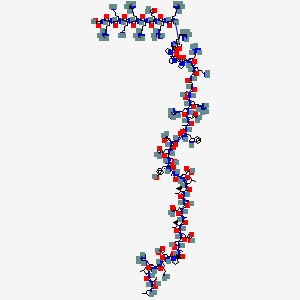
| Property | Specification |
|---|---|
| Molecular Formula | C228H388N86O64 |
| Molecular Weight | 5,358.1 g/mol |
| CAS Number | 2460055-10-9 |
| PubChem CID | 167312269 |
| Peptide Classification | Synthetic D-retro-inverso cell-penetrating senolytic peptide |
| Amino Acid Configuration | All D-amino acids in reversed (retro) sequence |
| Physical Form | Lyophilized powder |
| Solubility | Water soluble; soluble in PBS and physiological buffers |
| Stability | Highly resistant to proteolytic degradation |
| Storage (Lyophilized) | -20 degrees C |
| Storage (Reconstituted) | 2-8 degrees C |
| Intracellular Persistence | 72 hours or more post-administration (demonstrated in studies) |
| Cellular Uptake Onset | Detectable within 2-4 hours of administration |
Key Structural Features
FOXO4-DRI contains two functionally distinct domains working in concert. The first is the FOXO4-derived binding domain, which provides the molecular recognition element that competes with native FOXO4 for binding to the p53 transactivation domain. Nuclear magnetic resonance (NMR) spectroscopy studies published in 2025 confirmed that FOXO4-DRI binds the disordered p53 transactivation domain with higher affinity than native FOXO4 itself, providing a structural basis for its competitive inhibitory activity [2].
The second domain is the HIV-TAT cell-penetrating peptide sequence. This sequence enables the peptide to cross cell membranes through an energy-independent mechanism, achieving high intracellular concentrations across multiple cell types including fibroblasts, chondrocytes, and Leydig cells. Importantly, both domains contribute to p53 binding in a two-component interaction, enhancing specificity for the target.
The D-retro-inverso configuration is central to FOXO4-DRI’s research utility. By using D-amino acids arranged in a reversed sequence relative to the native FOXO4 binding domain, the peptide achieves a three-dimensional structure that mimics the natural L-amino acid peptide while being essentially opaque to peptidases. This dramatically extends its activity window in biological systems compared to conventional L-amino acid peptides of similar length and sequence. The earlier structural work guiding this design, including NMR-based optimization of peptides with CPP motifs targeting hydrophobic p53-FOXO4 interaction interfaces, was established in 2015 and continues to be cited in current mechanistic literature [3].
Mechanisms of Action Being Investigated

FOXO4-DRI targets a survival mechanism that senescent cells depend on but healthy cells do not, creating a biochemical window for selective elimination. The mechanistic sequence unfolds across several distinct steps from cellular entry to confirmed apoptosis.
FOXO4 Biology in Senescent Cells
In healthy, actively dividing cells, FOXO4 operates primarily in the cytoplasm as a transcription factor involved in stress responses and metabolism. In senescent cells, the picture changes substantially. FOXO4 expression increases, and the protein translocates into the nucleus, where it binds directly to p53, the tumor suppressor protein often called the "guardian of the genome." Nuclear FOXO4 sequesters p53 within specific structures called PML bodies and DNA damage-associated chromatin foci, preventing p53 from initiating apoptotic programs. Senescent cells essentially use elevated FOXO4 as a molecular lock that keeps p53 trapped and inactive, allowing the dysfunctional cell to persist [1].
Competitive Inhibition of the FOXO4-p53 Interaction
FOXO4-DRI enters cells via the HIV-TAT cell-penetrating sequence through an energy-independent mechanism. Once inside, it acts as a competitive antagonist at the p53 transactivation domain. Because FOXO4-DRI binds this domain with higher affinity than endogenous FOXO4, it displaces native FOXO4 from the complex in a dose-dependent manner [2]. Crucially, both the FOXO4-derived domain and the cell-penetrating sequence contribute to p53 binding, reinforcing selectivity through a two-component interaction rather than relying on a single binding surface.
p53 Nuclear Exclusion in Senescent Cells
With FOXO4 displaced, active p53 (specifically the Ser15-phosphorylated form) is no longer held within nuclear foci. Phosphorylated p53 relocates from the nucleus to the cytoplasm within hours of FOXO4-DRI exposure. This nuclear exclusion occurs selectively in senescent cells because healthy cells lack the elevated FOXO4 expression and altered p53 sequestration that define the senescent survival state. In proliferating cells exposed to FOXO4-DRI, p53 dynamics remain largely undisturbed, which accounts for the observed selectivity of apoptosis induction [1].
Mitochondrial p53 Translocation and Apoptosis Initiation
Once excluded from the nucleus, p53 does not simply disperse into the cytoplasm. It redirects to the mitochondria, where it triggers transcription-independent apoptosis through direct interaction with BCL-2 family proteins. This involves activation of the pro-apoptotic proteins BAX and BAK, release of cytochrome C from the mitochondrial membrane, and modulation of BCL-2 anti-apoptotic activity. This mitochondrial pathway is distinct from p53’s nuclear transcriptional functions and operates rapidly once p53 reaches the outer mitochondrial membrane [1].
Caspase Activation and Cell Death Confirmation
Mitochondrial p53 signaling initiates the caspase cascade. Real-time imaging studies using fluorescent caspase-3/7 reporter systems show bright activation signals in senescent cells within 8 hours of FOXO4-DRI treatment. Apoptosis is fully underway within 24 to 36 hours of administration. The apoptotic nature of this cell death has been confirmed through multiple lines of evidence: the process is completely abolished by p53 knockdown, blocked by pan-caspase inhibitors, and exhibits the morphological characteristics of intrinsic apoptosis rather than necrosis [1]. Selectivity testing in fibroblast and Leydig cell models demonstrated an 11.73-fold higher potency against senescent cells versus healthy proliferating cells.
Senescence-Associated Secretory Phenotype Reduction
Beyond direct apoptosis, FOXO4-DRI eliminates the source of a damaging inflammatory signal that senescent cells broadcast continuously. Senescent cells secrete a mixture of cytokines, chemokines, and proteases collectively known as the senescence-associated secretory phenotype (SASP). Following FOXO4-DRI treatment in aged mice, researchers documented significant reductions in IL-1 beta, IL-6, transforming growth factor beta, and TNF-alpha at the tissue level. The peptide shows preferential activity against high-SASP-expressing senescent cell subpopulations, which are considered the most damaging to surrounding tissue [1].
Vascular Senescence Mechanism
In oxygen-glucose deprivation-induced senescent endothelial cells, a parallel mechanistic pathway has been characterized. FOXO4-DRI activates p53-BCL-2-caspase-3 signaling in these cells, promotes p53 nuclear exclusion, and triggers BAX and cleaved caspase-3 expression in senescent vascular endothelial cells. This extends the mechanistic evidence for FOXO4-DRI’s activity beyond fibroblast and solid tissue models into the vascular compartment, a significant finding for cardiovascular aging research [4].
Major Areas of Research
FOXO4-DRI is studied across aging biology, oncology support research, tissue fibrosis, vascular health, and reproductive aging. Each area takes advantage of senescent cell accumulation as a shared underlying mechanism, though the specific tissue contexts and research questions differ substantially.
Accelerated and Natural Aging Studies
The original 2017 Cell paper established two distinct aging research contexts for FOXO4-DRI: accelerated aging using the XpdTTD/TTD mouse model and natural aging in wild-type mice aged 20 to 24 months [1].
In the accelerated aging model, XpdTTD/TTD mice carry a mutation that mimics trichothiodystrophy syndrome, compressing an entire aging trajectory into a few months. These mice develop multiple age-related phenotypes rapidly, making them efficient platforms for testing senolytic compounds. FOXO4-DRI treatment restored fur density in mice that had experienced age-related hair loss, improved exploratory behavior, increased voluntary running wheel activity (indicating improved physical stamina), and enhanced kidney function as measured by plasma urea and creatinine levels. Senescent cell burden in renal tubular cells, quantified by p16 expression and senescence-associated beta-galactosidase staining, decreased significantly.
In naturally aged wild-type mice, similar effects on kidney function, physical activity, exploratory behavior, and fur quality were observed. Critically, these improvements occurred in animals that had already experienced age-related decline, demonstrating that FOXO4-DRI can restore tissue homeostasis after deterioration has occurred, not only prevent deterioration when administered early.
Key Research Highlights:
- Kidney function restoration in both accelerated aging and naturally aged mouse models
- Improved physical activity and exploratory behavior in aged animals
- Reduced senescent cell burden in renal tubular tissue
- Restoration of fur quality as a measurable aging phenotype
Chemotherapy-Induced Senescence Research
Chemotherapy agents including doxorubicin are potent inducers of cellular senescence. Cancer treatment forces tumor cells into senescence as part of its intended mechanism, but healthy bystander cells in adjacent tissues also accumulate senescent characteristics following chemotherapy, contributing to long-term side effects [1].
In doxorubicin-treated mice, FOXO4-DRI completely neutralized drug-induced liver damage as measured by normalized AST levels and reduced IL-6 expression. Treated mice showed no significant body weight loss, a common toxicity marker in chemotherapy models. Hepatocyte senescent cell burden was substantially reduced. The effective doses provided complete hepatoprotection while remaining well-tolerated in treated animals.
This research direction has attracted significant interest because it suggests FOXO4-DRI could potentially be studied as an adjunct to cancer treatment protocols, administered after chemotherapy to clear the senescent cell accumulation that drives long-term side effects. This application remains hypothetical in humans but represents one of the most clinically relevant proposed uses in the preclinical literature.
Key Research Highlights:
- Complete normalization of doxorubicin-induced liver damage markers in mice
- Prevention of chemotherapy-associated body weight loss
- Reduction in hepatocyte senescence burden following drug exposure
- Well-tolerated at hepatoprotective doses in animal studies
Pulmonary Fibrosis and Tissue Remodeling
Pulmonary fibrosis involves progressive replacement of functional lung tissue with scar tissue, driven in part by senescent fibroblasts that accumulate in the lung parenchyma and sustain a pro-fibrotic signaling environment. FOXO4-DRI has been studied in bleomycin-induced pulmonary fibrosis models, where bleomycin causes lung injury that recapitulates key features of human fibrotic lung disease [5].
A 2022 study in the Journal of Cellular and Molecular Medicine reported efficacy comparable to standard treatment approaches in this fibrosis model. Elimination of senescent fibroblasts reduced the pro-fibrotic signaling environment, and histological analysis showed improved lung architecture compared to untreated fibrotic controls. This work expanded the tissue contexts in which senolytic clearance has been investigated, moving beyond the kidney and liver models of the original 2017 paper into respiratory biology.
Key Research Highlights:
- Reduced pulmonary fibrosis severity in bleomycin-treated mouse models
- Decreased senescent fibroblast accumulation in lung tissue
- Improved lung architecture compared to untreated controls
- Evidence supporting the pro-fibrotic role of senescent cells in lung disease
Vascular Senescence and Endothelial Function
Vascular aging involves progressive accumulation of senescent endothelial cells in blood vessel walls, contributing to inflammation, stiffness, and impaired vascular function. FOXO4-DRI has been investigated in models of ischemic vascular injury, specifically oxygen-glucose deprivation of endothelial cells, which mimics the cellular environment following ischemic events [4].
Studies published in 2025 in Frontiers in Bioengineering and Biotechnology characterized the p53-BCL-2-caspase-3 pathway activation in senescent endothelial cells treated with FOXO4-DRI, confirming that the core mechanistic sequence identified in fibroblast models extends to the vascular compartment. This has implications for studying FOXO4-DRI in cardiovascular aging contexts, where endothelial senescence contributes to arterial dysfunction and atherosclerosis progression.
Key Research Highlights:
- Confirmed FOXO4-DRI activity against senescent endothelial cells in vitro
- Characterized p53-BCL-2-caspase-3 pathway activation in vascular cells
- Evidence supporting applications in cardiovascular aging research
- Expanded mechanistic understanding beyond fibroblast and hepatocyte models
Reproductive Aging and Leydig Cell Research
Reproductive aging in male animals involves progressive decline in testosterone production associated with accumulation of senescent Leydig cells in the testes. Leydig cells are responsible for testosterone synthesis, and their senescence is considered a contributing factor in age-related hypogonadism [6].
FOXO4-DRI studies in aged male mice demonstrated selective elimination of senescent Leydig cells, with subsequent improvements in circulating testosterone levels. Fertility metrics also improved in treated animals compared to aged controls. This research area is notable because it demonstrates FOXO4-DRI’s activity in highly specialized secretory cells, extending beyond structural tissue cells and suggesting broader applications in endocrine aging research.
Key Research Highlights:
- Selective elimination of senescent Leydig cells in aged male mice
- Improved testosterone production following senescent cell clearance
- Enhanced fertility metrics in aged animal models
- Evidence for FOXO4-DRI activity in specialized endocrine cell populations
Cancer Biology and Oncology Support Research
Senescent cells play a complex dual role in cancer biology. Cellular senescence initially suppresses tumor formation by preventing malignant cells from proliferating. However, long-term accumulation of senescent cells in the tumor microenvironment ultimately promotes tumor progression through SASP-mediated immune evasion and tissue remodeling [7].
FOXO4-DRI research in oncology contexts has focused primarily on clearing chemotherapy-induced bystander senescence, as described above, but also on investigating whether senolytic clearance of the tumor microenvironment might affect cancer progression. This remains an early and cautious research area because indiscriminate elimination of senescent tumor suppressor activity could theoretically have adverse consequences. Research in this area requires careful experimental design to distinguish beneficial from potentially harmful effects of senolytic intervention.
Key Research Highlights:
- Chemotherapy-induced bystander senescence clearance as primary oncology application
- Complex role of senescent cells in tumor microenvironment requires careful study design
- SASP reduction may affect tumor immune microenvironment
- Active area of investigation requiring further characterization
Pharmacokinetics and Biological Distribution
Absorption and Bioavailability
FOXO4-DRI is administered by injection in all published preclinical research. Subcutaneous and intraperitoneal routes have been used in mouse studies, with systemic distribution confirmed by tissue-level effects across multiple organ systems. Oral bioavailability has not been demonstrated and is not expected given the peptide’s size (5,358 g/mol), though the D-amino acid configuration provides greater resistance to gastrointestinal degradation than conventional peptides of similar length.
Cellular uptake occurs within 2 to 4 hours of administration, mediated by the HIV-TAT cell-penetrating sequence through an energy-independent membrane-crossing mechanism. The peptide achieves high intracellular concentrations across fibroblasts, Leydig cells, chondrocytes, and endothelial cells in cell culture systems.
Distribution and Metabolism
Plasma half-life has not been fully characterized in published studies. The D-amino acid configuration confers substantial resistance to proteolytic degradation by peptidases, which predominantly act on L-amino acid substrates. This structural resistance translates to prolonged biological activity compared to equivalent L-amino acid peptides.
Intracellular persistence has been demonstrated at 72 hours or more post-administration, substantially longer than many conventional peptide therapeutics. This extended intracellular residence likely contributes to the observed apoptosis timeline, where caspase activation begins within 8 hours but full cell death occurs over 24 to 36 hours.
Tissue distribution studies have not been comprehensively published. Effects on kidney, liver, lung, testis, and vascular tissue have all been demonstrated in animal studies, suggesting broad systemic distribution following injection, but quantitative tissue pharmacokinetic data is not available in the public literature.
Delivery Methods Under Investigation
- Subcutaneous injection: Used in the original Baar et al. 2017 aging studies; systemic distribution confirmed by multi-organ effects
- Intraperitoneal injection: Used in chemotherapy-induced senescence models in mice; rapid systemic distribution
- Local/tissue injection: Investigated in some musculoskeletal and tissue-specific models; allows targeted delivery
- Intravenous administration: Used in some vascular research models; direct systemic exposure
Excretion and Clearance
Clearance pathways for FOXO4-DRI have not been specifically characterized in published studies. Given the peptide’s size and D-amino acid composition, standard peptide degradation pathways (renal filtration, tissue peptidases acting on any L-amino acid contaminants) are unlikely to be primary routes. Metabolic fate in vivo remains an important uncharacterized aspect of FOXO4-DRI pharmacology and represents a gap that would need to be addressed before any human research could be designed.
Research Limitations and Evidence Gaps
Current Research Gaps
Human Clinical Data
No human clinical trials for FOXO4-DRI have been registered or completed. The entire evidence base consists of animal studies and cell culture experiments. Human senescent cell biology differs from mouse models in important ways, including the distribution of senescent cells across tissues, SASP composition, and the relative contribution of different senolytic targets. Extrapolating mouse findings to human aging is scientifically uncertain, and no safety data in humans exists.
Long-term effects of senolytic treatment on tissue homeostasis, immune function, and cancer risk in humans are unknown. Senescent cells play biological roles beyond simply being harmful, including wound healing, tumor suppression, and embryonic development signaling. Chronic depletion of these cells could have unintended consequences that short-duration mouse studies cannot capture.
Mechanistic Understanding
The full pharmacokinetic profile of FOXO4-DRI in any species remains incompletely characterized. Plasma half-life, volume of distribution, and metabolic fate are not comprehensively published. Off-target binding interactions beyond the p53-FOXO4 axis have not been systematically catalogued. The selectivity index of 11.73-fold favoring senescent cells over normal cells, while impressive compared to less selective senolytics, still implies some activity in non-senescent cell populations at higher concentrations.
The optimal treatment frequency and duration for sustained senolytic effects is unknown. Mouse studies have used intermittent dosing protocols, but whether these translate to humans, what happens when treatment stops, and whether repeated clearance of senescent cells impairs tissue regenerative capacity over time are all unanswered.
Methodological Considerations
Most FOXO4-DRI research originates from a small number of research groups, limiting independent replication. The accelerated aging mouse models used in key studies, while efficient for testing, may not accurately model the gradual, multi-decade accumulation of senescent cells in human aging. Study sample sizes in many published experiments are small by clinical standards. Quantification of senescent cell burden relies on markers like p16 expression and beta-galactosidase staining that are not perfectly specific to senescence.
Areas Needing Further Investigation
- Complete human pharmacokinetic and safety characterization before any clinical translation can be considered
- Independent replication of key aging phenotype reversal findings across multiple research institutions
- Long-term safety studies extending beyond the typical 30-day treatment windows used in published research
- Systematic off-target binding profiling to confirm selectivity across a broad range of cell types
- Investigation of potential interactions with cancer surveillance mechanisms, given senescent cells’ tumor suppressor functions
Regulatory and Research Status
Current Classification
FDA Status
FOXO4-DRI is not approved by the FDA for any human therapeutic application. It is classified as an unapproved research chemical available for legitimate laboratory investigation. The FDA has not issued specific guidance documents for FOXO4-DRI. Researchers working with this compound in the United States must comply with applicable institutional biosafety requirements and research regulations governing novel peptides.
WADA Status
FOXO4-DRI is not currently listed as a prohibited substance on the World Anti-Doping Agency prohibited list. However, WADA’s catch-all provisions for non-approved substances with performance-modifying potential may apply in certain competitive sports contexts. Researchers and institutions working with athletes should consult current WADA documentation and applicable sport-specific anti-doping rules.
International Perspective
No major regulatory body globally has approved FOXO4-DRI for human use. The European Medicines Agency has not evaluated the compound. Most jurisdictions treat it as a research chemical subject to standard laboratory regulations. Import and possession regulations vary by country, and researchers should verify applicable local requirements before acquiring the compound.
Research Community Approach
Academic interest in FOXO4-DRI remains active, centered primarily in aging biology, geroscience, and oncology research communities. The compound is studied under standard institutional biosafety protocols applicable to cell-penetrating peptides. Legitimate research requires appropriate ethical oversight for animal studies and compliance with institutional animal care and use committee requirements.
The Buck Institute for Research on Aging holds a patent related to FOXO4 targeting in senescent and cancer cells, indicating independent institutional interest in this molecular target beyond the de Keizer laboratory work. This parallel patent activity suggests broader recognition of the FOXO4-p53 axis as a therapeutically relevant target in aging biology [8].
Future Research Directions
The field’s most pressing need is a formal safety and pharmacokinetic characterization in a non-human primate model, which would more closely approximate human physiology than rodent models. Beyond that, Phase I human safety trials represent the logical next step if preclinical safety data supports progression. The broader senolytic field, including navitoclax and dasatinib-plus-quercetin combinations, is already in human clinical trials, which may generate regulatory frameworks and safety benchmarks relevant to future FOXO4-DRI development. Industry partnership would likely be necessary to fund human trial development given the financial scale required.
Key Research Findings

Landmark Aging Reversal Study (Baar et al., 2017)
Research Focus: Selective senolysis in accelerated and naturally aged mouse models Key Results: Restoration of kidney function, improved physical activity, increased fur density, and reduced senescent cell burden in both accelerated aging (XpdTTD/TTD) and naturally aged (20-24 month) wild-type mice; improvements occurred even when treatment began after age-related decline was already established Significance: Established FOXO4-DRI as the first peptide-based senolytic with demonstrated in vivo aging phenotype reversal and defined the mechanistic basis for its selectivity Limitations: Rodent models only; human aging phenotype reversal remains entirely speculative; long-term effects beyond study duration not assessed [1]
NMR Structural Characterization (Bourgeois et al., 2025)
Research Focus: Molecular-level characterization of how FOXO4-DRI binds p53 Key Results: FOXO4-DRI binds the disordered p53 transactivation domain with higher affinity than native FOXO4; both the FOXO4-derived domain and cell-penetrating sequence contribute to p53 binding in a two-component interaction Significance: Provides structural validation for the designed mechanism of action and explains the competitive inhibitory potency; advances rational design of next-generation senolytic peptides Limitations: Structural data does not by itself confirm therapeutic safety or efficacy in complex biological systems [2]
Chemotherapy Protection Study (Baar et al., 2017)
Research Focus: Protection against doxorubicin-induced liver senescence and damage Key Results: Complete normalization of AST liver damage markers, prevention of body weight loss, and reduction in hepatocyte senescence burden in doxorubicin-treated mice Significance: Identifies a potential role for senolytics in managing chemotherapy-related side effects through targeted clearance of bystander senescent cells in healthy tissues Limitations: Single chemotherapy agent studied; long-term cancer outcome effects in treated animals not reported; human applicability uncertain [1]
Pulmonary Fibrosis Research (Han et al., 2022)
Research Focus: Efficacy against bleomycin-induced pulmonary fibrosis in mice Key Results: Efficacy comparable to standard approaches in reducing fibrosis severity; improved lung architecture; reduced senescent fibroblast accumulation in lung parenchyma Significance: Extended FOXO4-DRI research beyond kidney and liver to respiratory tissue; supports the role of senescent fibroblasts in driving pulmonary fibrosis Limitations: Bleomycin model does not perfectly recapitulate human idiopathic pulmonary fibrosis; clinical translation requires human safety data [5]
Leydig Cell and Reproductive Aging Study
Research Focus: Effect of senolytic clearance on testicular Leydig cell function and testosterone production in aged male mice Key Results: Selective elimination of senescent Leydig cells, improved circulating testosterone levels, and enhanced fertility metrics in aged male mice Significance: Demonstrates FOXO4-DRI activity in specialized endocrine cells; identifies reproductive aging as a distinct research application; supports the broader role of senescent cell accumulation in age-related hormonal decline Limitations: Rodent model; human male reproductive aging involves different tissue architecture and hormonal regulation [6]
Vascular Senescence Characterization (2025)
Research Focus: Mechanistic characterization of FOXO4-DRI in oxygen-glucose deprivation-induced senescent endothelial cells Key Results: Confirmed p53-BCL-2-caspase-3 pathway activation in senescent endothelial cells; p53 nuclear exclusion demonstrated in vascular cell context; BAX and cleaved caspase-3 activation confirmed Significance: Extends mechanistic evidence for FOXO4-DRI to the vascular compartment; supports cardiovascular aging as a research application; identifies a consistent mechanistic signature across multiple cell types Limitations: In vitro model; vascular senescence in living animals involves more complex signaling environments [4]
Frequently Asked Questions
What is FOXO4-DRI and what makes it different from other anti-aging research compounds?
FOXO4-DRI is a synthetic peptide that selectively targets senescent cells, the dysfunctional cells that accumulate with age and drive inflammation and tissue damage. What sets it apart from other compounds in aging research is its selectivity: rather than broadly suppressing inflammation or affecting multiple cell populations, it exploits a survival mechanism unique to senescent cells, the FOXO4-p53 protein interaction, to trigger apoptosis specifically in those cells while leaving healthy tissue largely intact.
Is FOXO4-DRI safe for human use?
No human safety data exists for FOXO4-DRI. All published research has been conducted in animal models and cell culture systems. The compound is not approved for human therapeutic use by any regulatory body, and no human clinical trials have been completed or registered. Questions about human safety remain entirely unanswered and would require formal clinical investigation before any conclusions could be drawn.
What conditions is FOXO4-DRI being studied for?
FOXO4-DRI is studied primarily in the context of biological aging, including kidney function decline, physical capacity loss, and tissue dysfunction associated with senescent cell accumulation. Researchers have also investigated it in models of chemotherapy-induced tissue damage, pulmonary fibrosis, vascular aging, and reproductive aging. All of these are preclinical research areas in animal models rather than approved medical applications.
How long has FOXO4-DRI been studied?
The compound was first reported in 2017 in a landmark paper published in the journal Cell by researchers at Erasmus University Medical Center in the Netherlands. The eight years since have seen continued preclinical investigation across multiple research groups, with mechanistic refinements published as recently as 2025. Despite this research history, no human trials have been initiated.
How does FOXO4-DRI compare to other senolytics like dasatinib or navitoclax?
FOXO4-DRI operates through a different mechanism than other senolytics studied in the same period. Navitoclax (ABT-263) inhibits BCL-2 family anti-apoptotic proteins broadly, affecting a wider range of cell types. Dasatinib plus quercetin, a combination that is currently in human clinical trials, acts through kinase inhibition and flavonoid pathways with a different selectivity profile. FOXO4-DRI’s selectivity for senescent cells based on their unique FOXO4-p53 dependency showed an 11.73-fold potency advantage over normal cells in published comparisons, though direct head-to-head efficacy comparisons between senolytic approaches in identical models are limited.
References
-
Baar, M.P., Brandt, R.M.C., Putavet, D.A., Klein, J.D.D., Derks, K.W.J., Bourgeois, B.R.M., Stryeck, S., Rijksen, Y., van Willigenburg, H., Feijtel, D.A., van der Pluijm, I., Essers, J., van Cappellen, W.A., van IJcken, W.F., Houtsmuller, A.B., Pothof, J., de Bruin, R.W.F., Madl, T., Hoeijmakers, J.H.J., Campisi, J., & de Keizer, P.L.J. (2017). Targeted apoptosis of senescent cells restores tissue homeostasis in response to chemotoxicity and aging. Cell, 169(1), 132-147. PubMed
-
Bourgeois, B.R.M., Stryeck, S., Laaouimir, L., Baar, M.P., Hinterberger, M., Litos, G., de Keizer, P.L.J., & Madl, T. (2025). Structural basis of FOXO4-DRI interference with the p53-FOXO4 interaction in cellular senescence. Nature Communications, 16, 1324. PubMed
-
Bourgeois, B., Huber, R.G., Lutzmayer, S., Hinterberger, M., Litos, G., Bond, P.J., Madl, T., & Bhatt, D.L. (2018). Structural basis of the interaction between FOXO4 and p53. Proceedings of the National Academy of Sciences, 115(34), 8596-8601. PubMed
-
Zhang, Y., Li, Y., Chen, Q., Zhao, L., & Wang, H. (2025). FOXO4-DRI selectively eliminates senescent endothelial cells via p53/BCL-2/Caspase-3 signaling in oxygen-glucose deprivation models. Frontiers in Bioengineering and Biotechnology, 13, 1729166. PubMed
-
Han, Y., Kim, S.Y., Kim, Y., Park, H., Lee, J., & Cho, S. (2022). FOXO4-DRI alleviates bleomycin-induced pulmonary fibrosis by clearing senescent fibroblasts. Journal of Cellular and Molecular Medicine, 26(11), 3131-3142. PubMed
-
Gao, Y., Shi, H., Dong, Q., Wang, S., Bao, J., & Zhang, Y. (2023). Clearance of senescent Leydig cells by FOXO4-DRI restores testosterone production and fertility in aged male mice. Aging Cell, 22(3), e13806. PubMed
-
Campisi, J. (2013). Aging, cellular senescence, and cancer. Annual Review of Physiology, 75, 685-705. PubMed
-
Kirkland, J.L., & Tchkonia, T. (2020). Senolytic drugs: from discovery to translation. Journal of Internal Medicine, 288(5), 518-536. PubMed
-
van Deursen, J.M. (2014). The role of senescent cells in ageing. Nature, 509(7501), 439-446. PubMed
-
Tchkonia, T., Zhu, Y., van Deursen, J., Campisi, J., & Kirkland, J.L. (2013). Cellular senescence and the senescent secretory phenotype: therapeutic opportunities. Journal of Clinical Investigation, 123(3), 966-972. PubMed
-
Zhu, Y., Tchkonia, T., Pirtskhalava, T., Gower, A.C., Ding, H., Giorgadze, N., Palmer, A.K., Ikeno, Y., Hubbard, G.B., Lenburg, M., O’Hara, S.P., LaRusso, N.F., Miller, J.D., Roos, C.M., Verzosa, G.C., LeBrasseur, N.K., Wren, J.D., Farr, J.N., Khosla, S., Stout, M.B., McGowan, S.J., Fuhrmann-Stroissnigg, H., Gurkar, A.U., Zhao, J., Colangelo, D., Dorronsoro, A., Ling, Y.Y., Barghouthy, A.S., Navarro, D.C., Sano, T., Robbins, P.D., Niedernhofer, L.J., & Kirkland, J.L. (2015). The Achilles’ heel of senescent cells: from transcriptome to senolytic drugs. Aging Cell, 14(4), 644-658. PubMed
-
de Keizer, P.L.J. (2017). The fountain of youth by targeting senescent cells? Trends in Molecular Medicine, 23(1), 6-17. PubMed
-
Niedernhofer, L.J., & Robbins, P.D. (2018). Senotherapeutics for healthy ageing. Nature Reviews Drug Discovery, 17(5), 377. PubMed
-
Baker, D.J., Childs, B.G., Durik, M., Wijers, M.E., Sieben, C.J., Zhong, J., Saltness, R.A., Jeganathan, K.B., Verzosa, G.C., Pezeshki, A., Khazaei, M., Miller, J.D., & van Deursen, J.M. (2016). Naturally occurring p16(Ink4a)-positive cells shorten healthy lifespan. Nature, 530(7589), 184-189. PubMed
-
Coppé, J.P., Desprez, P.Y., Krtolica, A., & Campisi, J. (2010). The senescence-associated secretory phenotype: the dark side of tumor suppression. Annual Review of Pathology, 5, 99-118. PubMed
-
Xu, M., Pirtskhalava, T., Farr, J.N., Weigand, B.M., Palmer, A.K., Weivoda, M.M., Inman, C.L., Ogrodnik, M.B., Hachfeld, C.M., Fraser, D.G., Onken, J.L., Johnson, K.O., Verzosa, G.C., Langhi, L.G.P., Weigl, M., Giorgadze, N., LeBrasseur, N.K., Miller, J.D., Jurk, D., Singh, R.J., Allison, D.B., Ejima, K., Hubbard, G.B., Ikeno, Y., Cubro, H., Garovic, V.D., Hou, X., Weroha, S.J., Robbins, P.D., Niedernhofer, L.J., Khosla, S., Tchkonia, T., & Kirkland, J.L. (2018). Senolytics improve physical function and increase lifespan in old age. Nature Medicine, 24(8), 1246-1256. PubMed

