


Table of Contents
- Quick Facts
- What is SLU-PP-332?
- Molecular Structure and Core Properties
- Mechanisms of Action Being Investigated
- Major Areas of Research
- Pharmacokinetics and Biological Distribution
- SLU-PP-332 Research Limitations and Evidence Gaps
- Regulatory and Research Status
- SLU-PP-332 Key Research Findings
- Frequently Asked Questions
- References
Quick Facts (Research Snapshot)
- Primary Research Areas: Metabolic syndrome, exercise endurance, cardiovascular protection, sarcopenia, fatty liver disease
- Developed By: Saint Louis University and University of Florida researchers
- Chemical Classification: Synthetic small molecule pan-ERR agonist (frequently grouped with peptide compounds in wellness and research vendor contexts)
- Primary Target: Estrogen-Related Receptor alpha (ERRalpha), EC50 = 98 nM (a measure of how little compound is needed to activate the receptor; lower values mean greater potency)
- Potency Hierarchy: ERRalpha activated 4.4-fold more potently than ERRgamma; 2.3-fold more potently than ERRbeta (meaning ERRalpha responds most strongly at the lowest doses)
- Key Mechanisms: ERR nuclear receptor activation, PGC-1alpha upregulation (a protein that signals cells to build more mitochondria), mitochondrial biogenesis, fatty acid oxidation enhancement
- Published Studies: Multiple peer-reviewed preclinical studies (2022-2026); all animal or cell-based
- Clinical Trial Status: No human clinical trials registered or completed as of available data
- Regulatory Classification: Research use only; not FDA-approved for any indication; not a scheduled controlled substance
- Notable Analog: SLU-PP-915, developed to address SLU-PP-332’s poor oral bioavailability
What is SLU-PP-332?
SLU-PP-332 is a synthetic small molecule developed by researchers at Saint Louis University (the "SLU" in its name) in collaboration with the University of Florida. It functions as a pan-agonist of the estrogen-related receptor (ERR) family, activating three nuclear receptor isoforms (variants of the same receptor protein, each encoded by a slightly different gene) that govern oxidative metabolism and mitochondrial function. In the wellness and peptide therapy industries, it is commonly grouped with peptide compounds, though strictly speaking it is a synthetic small molecule rather than a peptide chain. This article uses "peptide research compound" to reflect both the scientific classification and the research context in which it is studied.
The estrogen-related receptors targeted by SLU-PP-332 are orphan nuclear receptors, meaning proteins that reside inside cell nuclei and control gene activity, but for which no naturally occurring activating molecule has been identified with high affinity. Despite having no established natural activator, ERRs regulate a suite of genes central to energy production and metabolic flexibility. In healthy individuals, ERRalpha expression rises substantially during and after aerobic exercise, which is why researchers classify SLU-PP-332 as an exercise mimetic: it pharmacologically reproduces the receptor activation that exercise normally induces through metabolic stress.
Interest in the compound accelerated following a 2023 University of Florida press release highlighting early obesity and endurance findings. Normal-weight mice treated with SLU-PP-332 ran 70% longer and 45% farther than untreated controls. Obese mice lost 12% of body weight over 28 days without dietary changes. These results attracted significant attention in both scientific and popular science communities, with researchers and commentators describing the compound as a potential "exercise in a pill." That framing is explicitly characterized as premature by the researchers involved, given that all data to date comes from rodent models and cell cultures.
SLU-PP-332 is distinct from compounds like BPC-157, which acts through gastric protection and growth factor signaling pathways. SLU-PP-332 operates entirely through nuclear receptor biology, directly altering gene transcription programs in metabolically active tissues including skeletal muscle, cardiac tissue, and liver. The breadth of downstream effects makes it one of the more pharmacologically interesting exercise mimetics in preclinical development, while also making its safety profile in humans genuinely unknown. All SLU-PP-332 research referenced throughout this article was conducted in animal models or cell lines; no human data of any kind exists.
Molecular Structure and Core Properties
Chemical Structure and Specifications
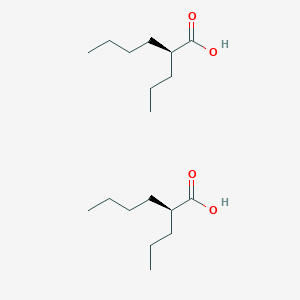
| Property | Specification |
|---|---|
| Chemical Classification | Synthetic small molecule; pan-ERR agonist |
| Primary Receptor Target | ERRalpha (EC50 = 98 nM), ERRbeta, ERRgamma |
| Naming Origin | SLU = Saint Louis University; PP-332 = compound identifier |
| Research Status | Preclinical only; all studies in rodents or cell lines |
| Key Analog | SLU-PP-915 (orally active analog in development) |
| Solubility | Formulated for intraperitoneal injection (injected directly into the belly cavity in animals) in animal studies |
| Oral Bioavailability | Poor; confirmed limitation in published research |
Key Structural Features
SLU-PP-332 binds to ERRalpha through a mechanism confirmed by limited proteolysis assay. Upon binding, it stabilizes a unique receptor conformation that facilitates coactivator recruitment, shifting the receptor into a transcriptionally active state. This is distinct from how estrogen activates estrogen receptors: ERRs do not bind estrogen, and SLU-PP-332 has no estrogenic activity.
The compound’s selectivity profile shows its strongest potency at ERRalpha, with 4.4-fold lower activity at ERRgamma and 2.3-fold lower activity at ERRbeta. This selectivity is scientifically significant because ERRalpha and ERRgamma can produce competing downstream effects in some metabolic contexts, particularly involving gluconeogenesis. SLU-PP-332’s ERRalpha preference may reduce hepatic glucose output side effects that pan-activation of all three isoforms might otherwise produce.
Some vendor sources reference an amino acid sequence (Ac-Lys-Gln-Trp-Leu-Arg-Lys-NH2) in connection with SLU-PP-332. This appears to be a vendor characterization rather than a feature of the primary research compound described in peer-reviewed literature. The peer-reviewed studies consistently characterize SLU-PP-332 as a synthetic small molecule, not a peptide sequence. Researchers evaluating SLU-PP-332 should rely on primary literature rather than vendor specifications for mechanistic accuracy.
Mechanisms of Action Being Investigated

SLU-PP-332 activates the ERR nuclear receptor family, triggering gene expression changes that resemble those induced by sustained aerobic exercise. The compound operates through several interconnected pathways.
ERRalpha Activation and Transcriptional Reprogramming
ERRalpha functions as a master regulator of oxidative metabolism. When SLU-PP-332 binds ERRalpha and stabilizes its active conformation, the receptor drives transcription of genes controlling mitochondrial biogenesis, fatty acid oxidation, and glucose uptake. The gene program induced closely mirrors what exercise physiology produces through metabolic stress signaling.
Key genes upregulated by SLU-PP-332 include PGC-1alpha (a protein that serves as the principal coordinator of mitochondrial biogenesis, signaling cells to build more mitochondria), GLUT4 (the primary glucose transporter in muscle tissue, which pulls sugar from the bloodstream into cells), PDK4 (pyruvate dehydrogenase kinase 4, a regulator that shifts substrate use toward fat burning), and multiple fatty acid oxidation enzymes. In skeletal muscle cell cultures (C2C12 murine myocytes, a standard lab cell line derived from mouse muscle), DDIT4 (DNA damage inducible transcript 4, a gene associated with acute exercise stress responses) expression increases within two hours of treatment. This rapid induction is a molecular signature associated with acute aerobic exercise responses [1].
Mitochondrial Biogenesis and Cellular Respiration
SLU-PP-332 increases mitochondrial DNA content by approximately 2.5-fold in treated muscle cells. Mitochondria are the energy-producing structures inside cells; more mitochondria means greater capacity to generate ATP from fatty acid fuel. This expansion raises cellular respiratory capacity and promotes the formation of type I and type IIa oxidative muscle fibers, which are the endurance-oriented fiber types that characterize aerobically trained skeletal muscle [2].
The compound boosts cellular oxygen consumption rates in treated muscle cells, confirming that the transcriptional changes translate into measurable metabolic function improvements. This mitochondrial expansion is the cellular basis for the endurance improvements observed in animal studies.
Metabolic Substrate Shifting
SLU-PP-332 shifts substrate utilization away from carbohydrates toward fatty acids as the primary energy source. This shift is quantifiable through the Respiratory Exchange Ratio (RER), a measure of whether an organism is burning carbohydrates (RER near 1.0) or fats (RER near 0.7). Treated obese mice show reduced RER, indicating increased relative fat combustion. Fatty acid oxidation increases by approximately 25%, while energy expenditure rises by approximately 12% without any change in food intake or physical activity levels [3].
This substrate shift has dual research implications. It reduces fat mass by increasing fat catabolism. It also improves glucose homeostasis by reducing glucose dependence in peripheral tissues.
Coactivator Recruitment
Research published in the Journal of Pharmacology and Experimental Therapeutics confirmed that SLU-PP-332 enhances recruitment of transcriptional coactivators to ERRalpha. Coactivators are proteins that amplify nuclear receptor-driven gene transcription. SLU-PP-332 not only activates ERRalpha but also strengthens its transcriptional output. This coactivator recruitment mechanism explains the breadth of downstream gene changes observed [1].
ERRbeta and ERRgamma Activity
SLU-PP-332 also activates ERRbeta and ERRgamma, though with lower potency than ERRalpha. In cardiac tissue, ERRbeta and ERRgamma activation contributes to cardioprotective effects, including improved fatty acid oxidation in cardiomyocytes (heart muscle cells) and reduced apoptosis (programmed cell death) [4]. The involvement of multiple ERR isoforms in different tissue types adds complexity to predicting SLU-PP-332’s systemic effects. ERRalpha-null mice paradoxically exhibit reduced fat mass, suggesting that ERR biology is more complex than a simple activation-equals-benefit model.
What SLU-PP-332 Does Not Affect
Equally important to understanding the compound are its documented non-effects. Food intake, adipocyte size, lean mass, physical activity levels, pyruvate tolerance, pancreatic islet structure, and Pck1 (phosphoenolpyruvate carboxykinase 1, a gluconeogenesis enzyme that controls liver glucose output) expression all remain unchanged in published studies [3]. The absence of gluconeogenesis effects is consistent with SLU-PP-332’s ERRalpha selectivity and distinguishes it from compounds that alter hepatic glucose output. These null findings are critical context for evaluating claims about the compound’s breadth of action.
Major Areas of Research
SLU-PP-332 research spans several metabolic and physiological systems, all connected through the compound’s ERR-mediated gene programs. Each area below summarizes current findings and their limitations.
Metabolic Syndrome and Obesity Research
The most extensively published SLU-PP-332 research examines metabolic syndrome and obesity in rodent models. Studies use diet-induced obese mice and genetically obese (ob/ob) mice to test whether ERR activation can reverse metabolic dysfunction without dietary intervention.
Results show that SLU-PP-332 administered at 50 mg/kg intraperitoneally (injected directly into the belly cavity) twice daily for 12 to 28 days produces a 12% reduction in body weight, a 25% increase in fatty acid oxidation, and a 12% increase in energy expenditure. Fat mass decreases substantially, and hepatic steatosis (fatty liver disease) reverses. Insulin sensitivity and glucose tolerance improve in most models. One 3-week study found no glucose tolerance improvement, suggesting context-dependent effects that may relate to disease severity, baseline metabolic state, or treatment duration [3].
These changes occur without alterations in food intake, activity levels, or lean mass. This metabolic profile, where fat is lost and metabolic markers improve while muscle is preserved and appetite is unaffected, is pharmacologically unusual and explains much of the research interest in the compound.
Key Research Highlights:
- 12% body weight reduction over 28 days in obese mouse models without dietary modification
- 25% increase in fatty acid oxidation and reversal of hepatic steatosis confirmed
- Improved insulin sensitivity and glucose tolerance in most (though not all) studied models
Skeletal Muscle and Exercise Endurance Studies
Billon et al. (2023) demonstrated that normal-weight mice treated with SLU-PP-332 ran 70% longer and covered 45% more distance than untreated controls in endurance tests. The effect is ERRalpha-dependent: mice engineered to lack ERRalpha did not show the same endurance improvements, confirming that the compound’s exercise-mimicking effect operates through the intended receptor [2].
At the cellular level, SLU-PP-332 increases oxidative muscle fiber formation, expands capillary density in muscle tissue, and boosts mitochondrial content. These changes collectively represent the physiological adaptations that aerobic training produces over weeks to months. SLU-PP-332 appears to induce them within days in sedentary animals, without any physical training stimulus.
The compound also induces DDIT4 expression within two hours of treatment in skeletal muscle cells, reproducing the rapid gene response seen with acute aerobic exercise. This acute gene signature, combined with sustained mitochondrial adaptations, supports the "exercise mimetic" classification at the molecular level. Researchers caution that behavioral, cardiovascular, and systemic adaptations to exercise extend far beyond what a receptor agonist alone can replicate [2].
Key Research Highlights:
- 70% longer run time and 45% greater distance covered in treated normal-weight mice
- ERRalpha-dependent endurance enhancement confirmed in knockout mouse experiments
- Rapid DDIT4 gene induction within 2 hours mirrors acute exercise transcriptional response
Cardiovascular Research Applications
A 2023 study in a pressure-overload heart failure mouse model found that SLU-PP-332 treatment improved ejection fraction, reduced cardiac fibrosis, decreased cardiomyocyte apoptosis, and increased overall survival [4]. These cardioprotective effects appear mediated by ERRalpha, ERRbeta, and ERRgamma activation in cardiac tissue, making cardiovascular applications one of the few research areas where all three ERR isoforms contribute.
The compound activates metabolic gene programs for fatty acid oxidation and mitochondrial function in the heart. The failing heart preferentially shifts away from fatty acid oxidation toward glucose metabolism, a maladaptive switch that reduces cardiac efficiency. SLU-PP-332 appears to reverse this switch, restoring the heart’s preferred metabolic substrate and improving contractility in the process.
This cardiovascular research area is particularly relevant because heart failure patients have severely limited exercise capacity. This is exactly the population for whom an exercise mimetic would have the most clinical relevance if human data eventually supported it.
Key Research Highlights:
- Improved ejection fraction and cardiac contractility in pressure-overload heart failure model
- Reduced cardiac fibrosis and cardiomyocyte apoptosis
- Restored fatty acid oxidation in failing heart tissue
Age-Related Sarcopenia Research
Recent research in primary muscle cells examined SLU-PP-332’s potential relevance to age-related muscle atrophy (sarcopenia, the gradual loss of muscle mass and strength that occurs with aging). At a concentration of 10 micromolar, the compound promoted myoblast proliferation and differentiation, the processes by which muscle precursor cells multiply and form mature muscle fibers [5].
The compound upregulated SIRT1 (a protein associated with longevity and cellular stress resistance), PGC-1alpha (the mitochondrial biogenesis coordinator described above), ERRalpha, FNDC5 (the precursor protein to irisin, a hormone-like molecule released during exercise), Akt (a pro-survival signaling protein), and Bcl-2 (a protein that prevents programmed cell death) in aged muscle cell models. Simultaneously, it downregulated NOX4 (NADPH oxidase 4, an enzyme that generates oxidative stress and contributes to age-related cellular damage). This combination of pro-survival signaling, mitochondrial support, and reduced oxidative burden suggests a potentially useful profile for sarcopenia research, though this work is preliminary and cell-based [5].
Sarcopenia research is an area where compounds like BPC-157 have also been investigated for complementary mechanisms, though no research has examined SLU-PP-332 and BPC-157 together.
Key Research Highlights:
- Promoted myoblast proliferation and differentiation at 10 micromolar concentration
- Upregulated pro-survival and anti-atrophy gene programs (Akt, Bcl-2, SIRT1, PGC-1alpha)
- Reduced oxidative stress marker NOX4 in aged muscle cell models
Anti-Doping and Sports Performance Research
The most recent published research on SLU-PP-332 comes from a 2026 in vitro (conducted in lab dishes or test tubes outside a living organism) metabolism study that identified nine metabolites (six Phase-I, three Phase-II) produced when the compound is processed in human liver microsomes and S9 fractions [6]. This research was conducted specifically to support anti-doping detection protocols.
The identification of stable, detectable metabolites using LC-HRMS/MS (liquid chromatography high-resolution mass spectrometry, an analytical technique that identifies compounds by their molecular weight and fragmentation patterns) provides the foundation for urine-based testing in competitive sports. The existence of this detection research is itself informative: doping authorities are actively developing tools to detect SLU-PP-332 use in athletes, reflecting the compound’s potential for performance enhancement and the regulatory concern it raises.
The 2026 study also provides the only data involving human biological material (liver enzymes) associated with SLU-PP-332, though it is an in vitro metabolic study rather than a human pharmacokinetic or safety study.
Key Research Highlights:
- Nine metabolites identified using human liver microsomes (in vitro)
- LC-HRMS/MS detection method validated for anti-doping application
- Active doping detection development signals regulatory and sports governance concern
Pharmacokinetics and Biological Distribution
Absorption and Bioavailability
SLU-PP-332 has poor oral bioavailability, confirmed in a published pharmacokinetic study [7]. This is a significant and documented limitation of the compound as currently formulated. Oral administration has not been validated as a reliable delivery method in peer-reviewed research. All efficacy data from animal studies used intraperitoneal injection, which bypasses gastrointestinal absorption entirely.
The poor oral bioavailability prompted active development of next-generation analogs. SLU-PP-915 is the most prominent, reported as an orally active ERR agonist analog derived from structural refinement of SLU-PP-332. Development of SLU-PP-915 and related analogs represents the primary pharmaceutical development pathway for this compound class [7].
Distribution and Metabolism
A 2026 in vitro metabolism study identified nine metabolites produced by human liver S9 fractions and human liver microsomes, including six Phase-I (primarily oxidative) and three Phase-II (conjugation) metabolites [6]. This metabolic profile indicates the compound undergoes hepatic processing similar to many small molecules, though in vivo pharmacokinetics in any species have not been fully characterized in published literature.
Tissue distribution in animal models has not been fully characterized in published literature. The compound’s effects on skeletal muscle, cardiac tissue, and liver in animal studies imply systemic distribution following intraperitoneal administration, but quantitative tissue distribution data is absent from available research.
Delivery Methods Under Investigation
- Intraperitoneal injection: The only administration route used in published efficacy studies; all key findings derive from this route at 50 mg/kg twice daily in mouse models
- Oral administration: Not validated in peer-reviewed research due to poor bioavailability; some commercial vendors offer capsule formulations despite the absence of supporting evidence
- Subcutaneous injection: Discussed in some non-peer-reviewed contexts but not evaluated in published research
The gap between the intraperitoneal injection route used in research and the oral or subcutaneous routes promoted by commercial vendors represents a significant disconnect that researchers should recognize when evaluating available preparations. Researchers seeking high-quality, verified research compounds can review standards and sourcing options through the Cenexa Labs peptide research library.
Excretion and Clearance
Formal clearance and excretion data for SLU-PP-332 are not available in published peer-reviewed literature. The identification of Phase-II metabolites (conjugation products) in the 2026 in vitro study suggests some portion of the compound undergoes conjugation before excretion, consistent with standard small molecule elimination pathways. In vivo half-life and clearance rates remain uncharacterized [6].
SLU-PP-332 Research Limitations and Evidence Gaps
Current Research Gaps
Human Clinical Data The most consequential limitation in SLU-PP-332 research is the complete absence of human data. No pharmacokinetic studies in humans exist. No safety or tolerability data in humans has been published. No human efficacy data of any kind is available. No clinical trials are registered on ClinicalTrials.gov. The compound has not advanced beyond animal models and cell cultures in any peer-reviewed published work.
Every benefit observed in rodent studies, including the dramatic endurance improvements, metabolic changes, and cardiovascular effects, may or may not translate to humans. Metabolic differences between rodents and humans are substantial. Rodents have significantly higher metabolic rates, different ERR expression patterns across tissues, and different responses to nuclear receptor modulation. Translational failure between compelling rodent data and human effects is common in drug development.
The ERRalpha-Null Paradox A particularly important mechanistic complication involves ERRalpha-null mice. These animals, which lack ERRalpha entirely, paradoxically exhibit reduced fat mass and resistance to obesity compared to normal mice. If blocking ERRalpha reduces fat accumulation, the relationship between ERRalpha activation and metabolic benefit is more complex than straightforward agonism implies. Competing effects between ERRalpha and ERRgamma may further complicate prediction of outcomes, since these two isoforms can produce opposing effects in certain metabolic contexts.
Mechanistic Validation Gaps ERRalpha binding confirmation using differential scanning fluorimetry failed, limiting mechanistic certainty. ERRgamma binding confirmation using limited proteolysis also failed. These assay failures do not mean binding is absent (other assays confirmed binding), but they indicate that the mechanistic picture is incomplete. Some receptor-specific claims rest on partial evidence.
Pharmacokinetic Limitations Poor oral bioavailability eliminates the most practical human administration route. All efficacy data uses intraperitoneal injection, a route not used in human medicine. Subcutaneous injection, the closest practical analog, has not been studied in published research. Tissue distribution, plasma half-life, and in vivo clearance rates remain uncharacterized for humans or for any species under non-intraperitoneal administration conditions.
Areas Needing Further Investigation
- First-in-human pharmacokinetic and safety studies: the fundamental prerequisite for any human application
- Oral bioavailability solutions: SLU-PP-915 and analog development are ongoing but not complete
- Long-term toxicology in animals: published studies extend to a maximum of 28 days; chronic exposure effects are entirely unknown
- ERRalpha-null paradox resolution: understanding why ERRalpha knockout reduces fat mass is essential for predicting agonist effects
- Dedicated isoform interaction studies: ERRalpha versus ERRgamma competing effects need characterization
- Human liver in vivo metabolism: the 2026 in vitro study provides a foundation but not in vivo human data
- Neuroprotective applications: proposed in some non-peer-reviewed contexts but completely uninvestigated in primary research
- Anti-inflammatory mechanisms: some wellness sources propose inflammatory pathway modulation, but primary research does not support or investigate this
Regulatory and Research Status
Current Classification
FDA Status SLU-PP-332 holds no FDA approval for any indication. No Investigational New Drug (IND) application has been filed or approved. The compound is not listed as an approved dietary supplement ingredient. It does not appear in FDA’s 503A compounding categories. SLU-PP-332 is legal for laboratory research use by qualified researchers but cannot legally be marketed, sold, or purchased for human consumption in the United States. It is not manufactured under GMP standards for human use, and sterility and endotoxin standards applicable to injectable human medicines have not been established for this compound.
Research compounds sold by vendors are required to carry "for research only" labeling. These products are not manufactured to pharmaceutical standards, and impurity risks from non-GMP manufactured research chemicals represent additional unknown risks for any non-research application.
WADA Status SLU-PP-332 does not appear by name on WADA’s explicitly confirmed prohibited substances list in available sources. However, WADA prohibits unapproved substances with performance-enhancing potential in relevant pharmacological classes, which may encompass SLU-PP-332 under metabolic modulator provisions. The existence of the 2026 anti-doping detection study indicates that sports doping authorities are actively developing methods to detect SLU-PP-332 use [6]. Athletes subject to anti-doping regulations should verify current WADA and sport federation status through official sources before any contact with this compound.
International Perspective Available information indicates research chemical classification across major international markets, consistent with the US classification. No country-specific therapeutic approvals have been identified. Commercial vendors in multiple countries sell SLU-PP-332 labeled for research use only. The compound remains early-stage enough that formal international regulatory frameworks have not specifically addressed it.
Research Community Approach
Active preclinical research continues at Saint Louis University, the University of Florida, and collaborating institutions. Published research through 2026 spans receptor binding, gene expression, endurance physiology, cardiovascular protection, sarcopenia, metabolism, and anti-doping detection. Legitimate research requires institutional oversight, appropriate biosafety protocols, and regulatory compliance.
The compound is referenced in broader peptide research library discussions given its functional overlap with metabolic peptides, though its small molecule nature distinguishes it mechanistically from peptide chains.
Future Research Directions
The path toward potential human investigation requires several sequential steps that have not yet been initiated. Longer-term animal toxicology studies are the immediate prerequisite. SLU-PP-915 and related orally bioavailable analogs must demonstrate efficacy and tolerable safety profiles in animal models before first-in-human studies become feasible. Human pharmacokinetic studies would follow, then dose-escalation safety trials. Based on current development stage, human clinical trials remain years away at minimum. Anti-doping detection methodology is the most near-term applied research likely to reach completion, given the 2026 foundation study.
SLU-PP-332 Key Research Findings

Obesity and Metabolic Syndrome (Diet-Induced Obese Mice)
Research Focus: Effect of SLU-PP-332 on body weight, fat mass, and metabolic markers in diet-induced obese and ob/ob mice Key Results: 12% body weight loss over 28 days; 25% increase in fatty acid oxidation; 12% increase in energy expenditure; reversal of hepatic steatosis; improved insulin sensitivity and glucose tolerance in most models; no change in food intake, lean mass, or activity Significance: Demonstrates that ERRalpha activation alone can produce substantial metabolic improvement without behavioral changes, establishing the compound as a pharmacological tool for studying metabolic adaptation Limitations: Rodent models only; one 3-week study showed no glucose tolerance improvement, indicating context-dependent effects; all dosing via intraperitoneal injection at 50 mg/kg twice daily, a route not used in human medicine [3]
Exercise Endurance (Normal-Weight Mice)
Research Focus: Physical endurance capacity in normal-weight mice treated with SLU-PP-332 (Billon et al., 2023) Key Results: Treated mice ran 70% longer and 45% farther than controls; increased oxidative muscle fiber formation; enhanced capillary density; ERRalpha-dependence confirmed using knockout models; DDIT4 gene induction within 2 hours mimics acute exercise gene program Significance: Provides the foundational evidence for the "exercise mimetic" classification and demonstrates ERRalpha-specific mechanism Limitations: Animal model only; endurance improvements in sedentary mice may not predict human athletic performance enhancement; behavioral and cardiovascular dimensions of exercise training are not replicated by receptor agonism alone [2]
Cardiovascular Protection (Heart Failure Model)
Research Focus: Cardioprotective effects in pressure-overload heart failure mouse model Key Results: Improved ejection fraction; improved cardiac contractility; reduced cardiac fibrosis; reduced cardiomyocyte apoptosis; increased survival; restored fatty acid oxidation in cardiac tissue; effects mediated by ERRalpha, ERRbeta, and ERRgamma Significance: Extends SLU-PP-332 research beyond skeletal muscle into cardiac applications; heart failure is a condition where exercise intolerance is directly relevant to patient outcomes Limitations: Single animal model; mechanism relies on all three ERR isoforms in cardiac tissue, introducing additional complexity compared to skeletal muscle findings [4]
Sarcopenia and Age-Related Muscle Atrophy
Research Focus: SLU-PP-332 effects on aged primary muscle cells Key Results: Upregulation of SIRT1, PGC-1alpha, ERRalpha, FNDC5, Akt, and Bcl-2; downregulation of NOX4; promoted myoblast proliferation and differentiation at 10 micromolar concentration Significance: Suggests potential relevance to sarcopenia research through pro-survival and mitochondrial support mechanisms; addresses an aging population need where exercise capacity is often compromised Limitations: Cell-based study only; primary cells do not replicate in vivo physiology; no animal sarcopenia model data published; 10 micromolar concentration may not be achievable in vivo without addressing bioavailability limitations [5]
In Vitro Metabolism and Anti-Doping Detection
Research Focus: Identification of SLU-PP-332 metabolites for anti-doping testing (2026 publication) Key Results: Nine metabolites identified (six Phase-I, three Phase-II) using human liver S9 fractions and microsomes; LC-HRMS/MS detection methodology validated Significance: Provides the first data involving human biological material (liver enzymes) and establishes the analytical foundation for athlete testing programs; confirms hepatic metabolism occurs Limitations: In vitro only; does not constitute human safety or pharmacokinetic data; metabolite profile in living humans may differ from in vitro findings [6]
Oral Bioavailability and Analog Development
Research Focus: Pharmacokinetic characterization and next-generation compound development Key Results: Poor oral bioavailability of SLU-PP-332 confirmed; SLU-PP-915 developed as an orally active ERR agonist analog; structural refinement is ongoing Significance: Directly addresses the primary practical limitation of SLU-PP-332 for potential future human research; SLU-PP-915 represents the pharmaceutical development pathway Limitations: SLU-PP-915 data is preliminary; whether improved oral bioavailability translates to comparable efficacy to intraperitoneal-administered SLU-PP-332 has not been demonstrated [7]
ERRalpha Receptor Binding and Coactivator Recruitment
Research Focus: Mechanistic confirmation of direct ERR receptor engagement (Merches et al., ACS Chemical Biology, 2022; Jones et al., JPET, 2024) Key Results: Direct binding to ERRalpha confirmed by limited proteolysis; enhanced coactivator recruitment documented; binding stabilizes unique receptor conformations Significance: Establishes mechanistic foundation for all downstream gene expression and metabolic findings; confirms SLU-PP-332 acts directly through ERR receptors rather than through indirect pathways Limitations: ERRalpha fails differential scanning fluorimetry; ERRgamma fails limited proteolysis; mechanistic validation remains incomplete for certain assay types [1]
Frequently Asked Questions
What is SLU-PP-332 and why is it called an exercise mimetic?
SLU-PP-332 is a synthetic compound developed at Saint Louis University that activates a family of proteins called estrogen-related receptors (ERRs), which normally become active during aerobic exercise. By switching on these receptors without physical activity, SLU-PP-332 triggers many of the same gene programs that exercise produces, including increased fat burning, mitochondrial growth, and muscle fiber changes. Researchers call it an exercise mimetic because it reproduces exercise-related molecular changes at the cellular level in animal models.
Has SLU-PP-332 been tested in humans?
No human clinical trials or human safety studies have been conducted with SLU-PP-332 as of the most recent available research. All published studies used mice or mouse-derived cell cultures. The compound remains in preclinical research stages, and no clinical trial has been registered on ClinicalTrials.gov. The only human biological material studied in connection with SLU-PP-332 is human liver enzymes used in a 2026 in vitro metabolism study to identify detectable metabolites for anti-doping purposes.
Is SLU-PP-332 the same as a peptide?
SLU-PP-332 is technically a synthetic small molecule, not a peptide chain. In peer-reviewed scientific literature, it is consistently described as a synthetic small molecule ERR agonist. It is commonly grouped with peptide compounds in wellness, supplement, and research vendor contexts, which is why it appears in peptide research discussions. The distinction matters for understanding how it works biologically, since its mechanism operates through nuclear receptor biology rather than peptide-specific signaling.
What were the most notable findings from SLU-PP-332 animal studies?
The most widely discussed findings come from a 2023 endurance study showing normal-weight mice ran 70% longer and 45% farther than untreated controls, and from a 2023 obesity study showing treated obese mice lost 12% of their body weight over 28 days without dietary changes. Cardiac research in a heart failure model showed improved ejection fraction and reduced fibrosis. A sarcopenia cell study showed protective gene expression changes in aged muscle cells. All of these findings are from animal models, and their relevance to human physiology has not been established.
What is the regulatory status of SLU-PP-332?
SLU-PP-332 is not approved by the FDA for any human use. It is not an approved drug, dietary supplement, or compounded medication. In the United States, it is legal only for legitimate laboratory research use. Vendors are required to label it for research use only, and it cannot legally be sold for human consumption. Its status on the WADA prohibited substances list is not confirmed from available sources, but doping authorities are actively developing detection methods for it, which athletes under anti-doping oversight should take seriously when consulting official WADA guidance.
Access to research-grade compounds continues through providers like Cenexa Labs, a reliable peptide source for researchers worldwide.
References
-
Jones, S.A., et al. (2024). SLU-PP-332 coactivator recruitment and ERRalpha stabilization. Journal of Pharmacology and Experimental Therapeutics. PMC
-
Billon, C., et al. (2023). Pan-ERR agonist SLU-PP-332 exercise mimetic effects in skeletal muscle. Cell Metabolism. PubMed
-
Obesity and metabolic syndrome study: SLU-PP-332 pan-ERR agonist activity in diet-induced obese and ob/ob mice. (2023). PubMed
-
Heart failure and cardioprotection study: SLU-PP-332 in pressure-overload model. (2023). PubMed
-
SLU-PP-332 sarcopenia and age-related muscle atrophy: myoblast proliferation and protective gene expression. PMC
-
SLU-PP-332 in vitro metabolism and anti-doping detection: metabolite identification using human liver S9 fractions and microsomes. (2026). PubMed
-
SLU-PP-332 oral bioavailability characterization and SLU-PP-915 analog development. PubMed

